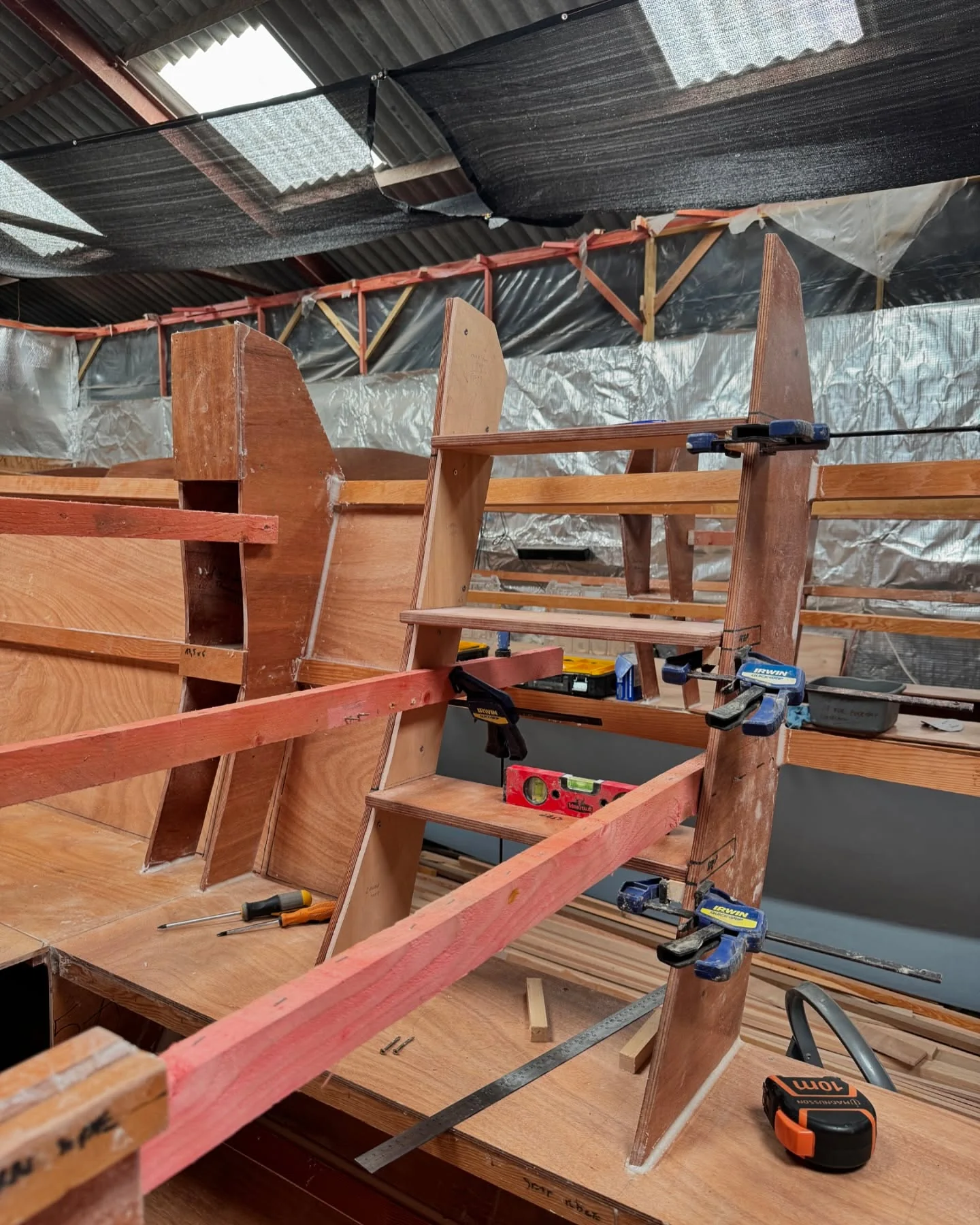
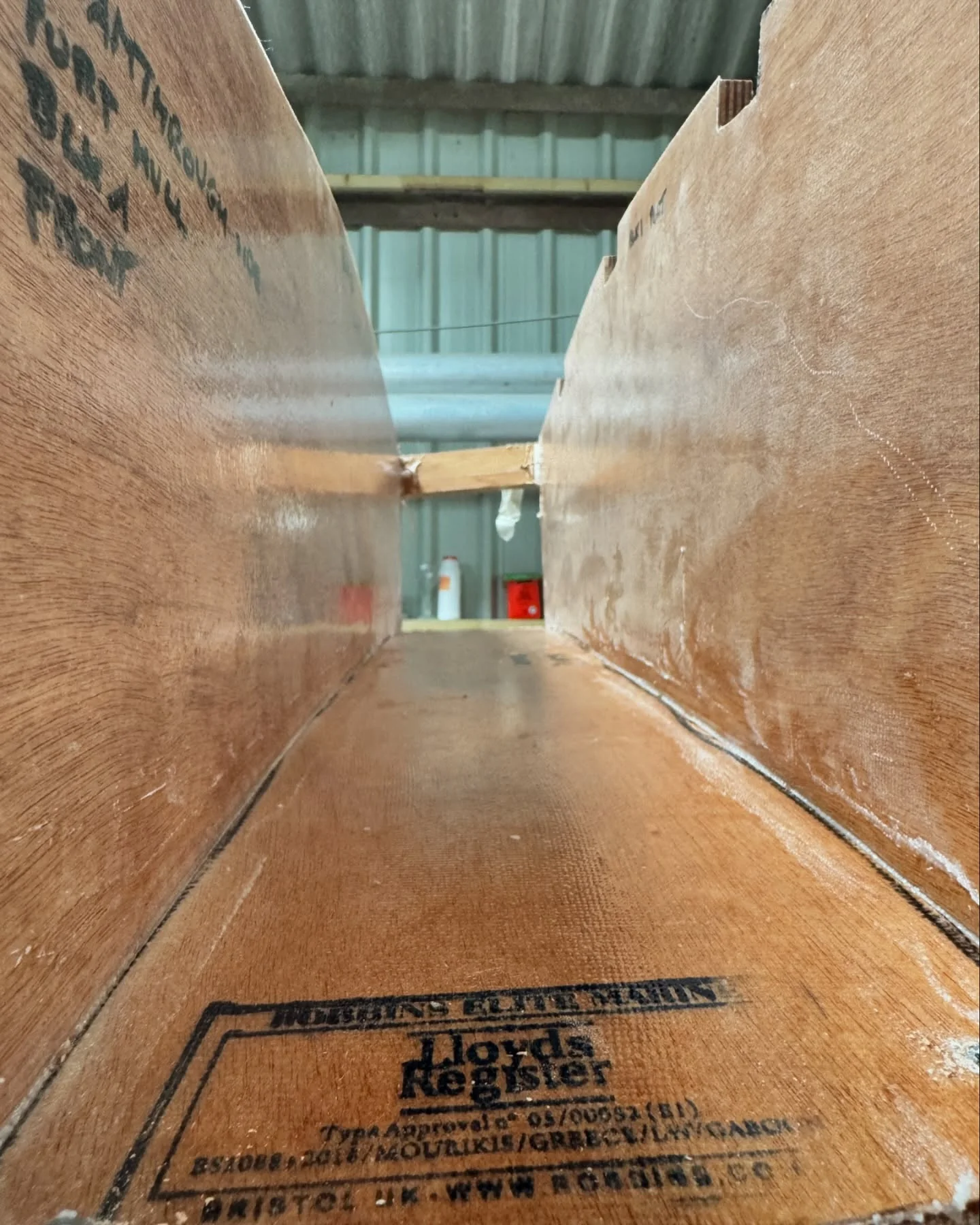
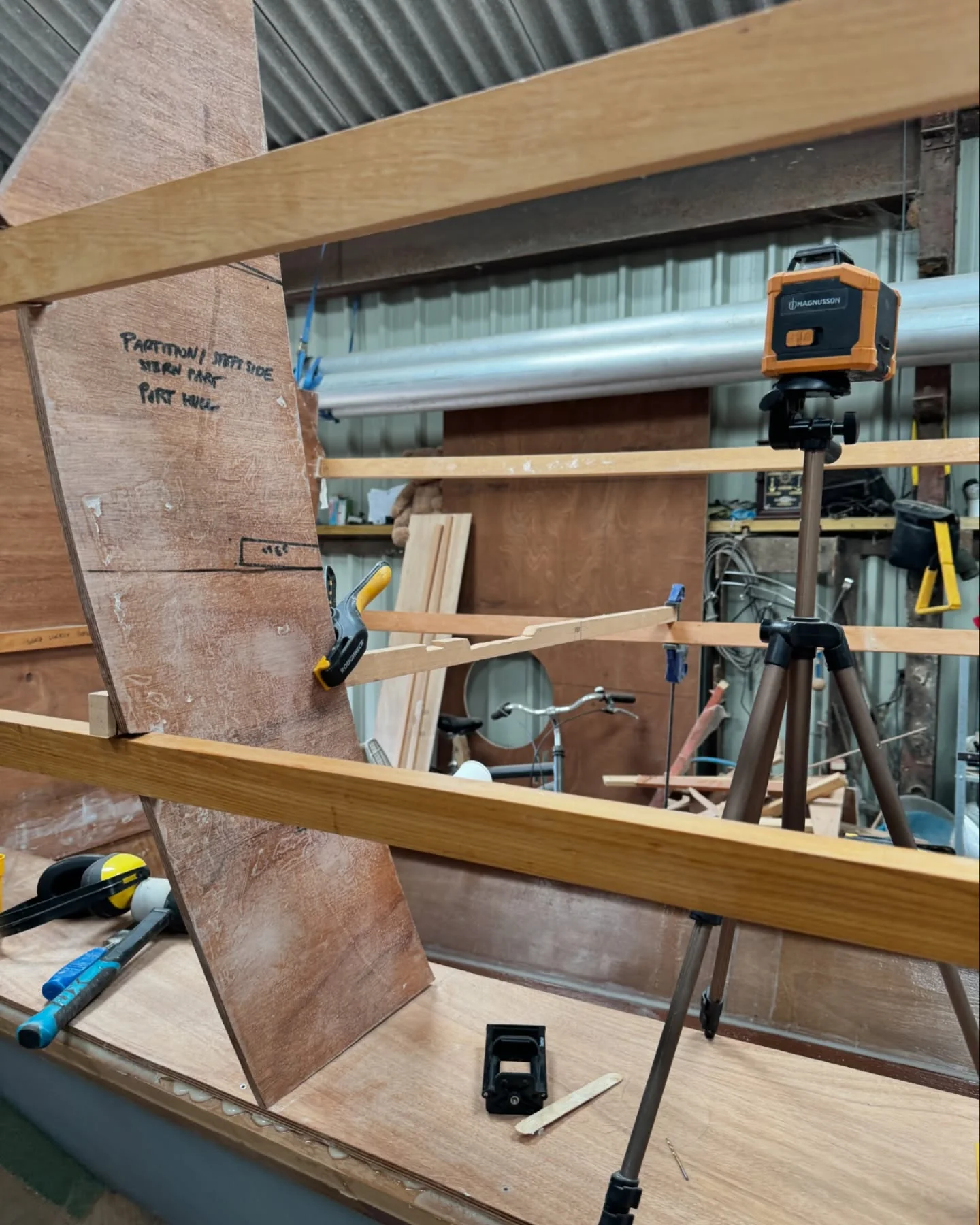
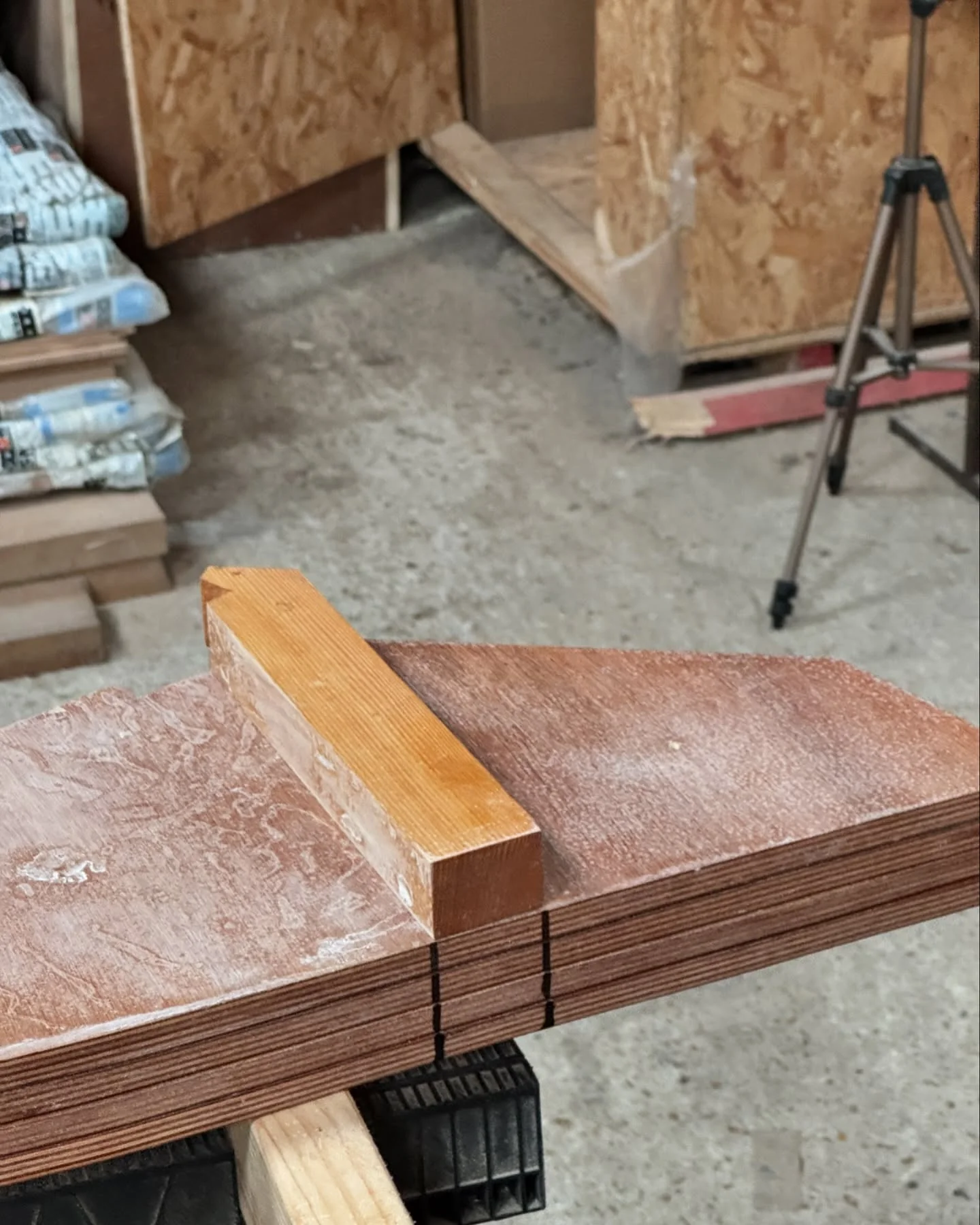
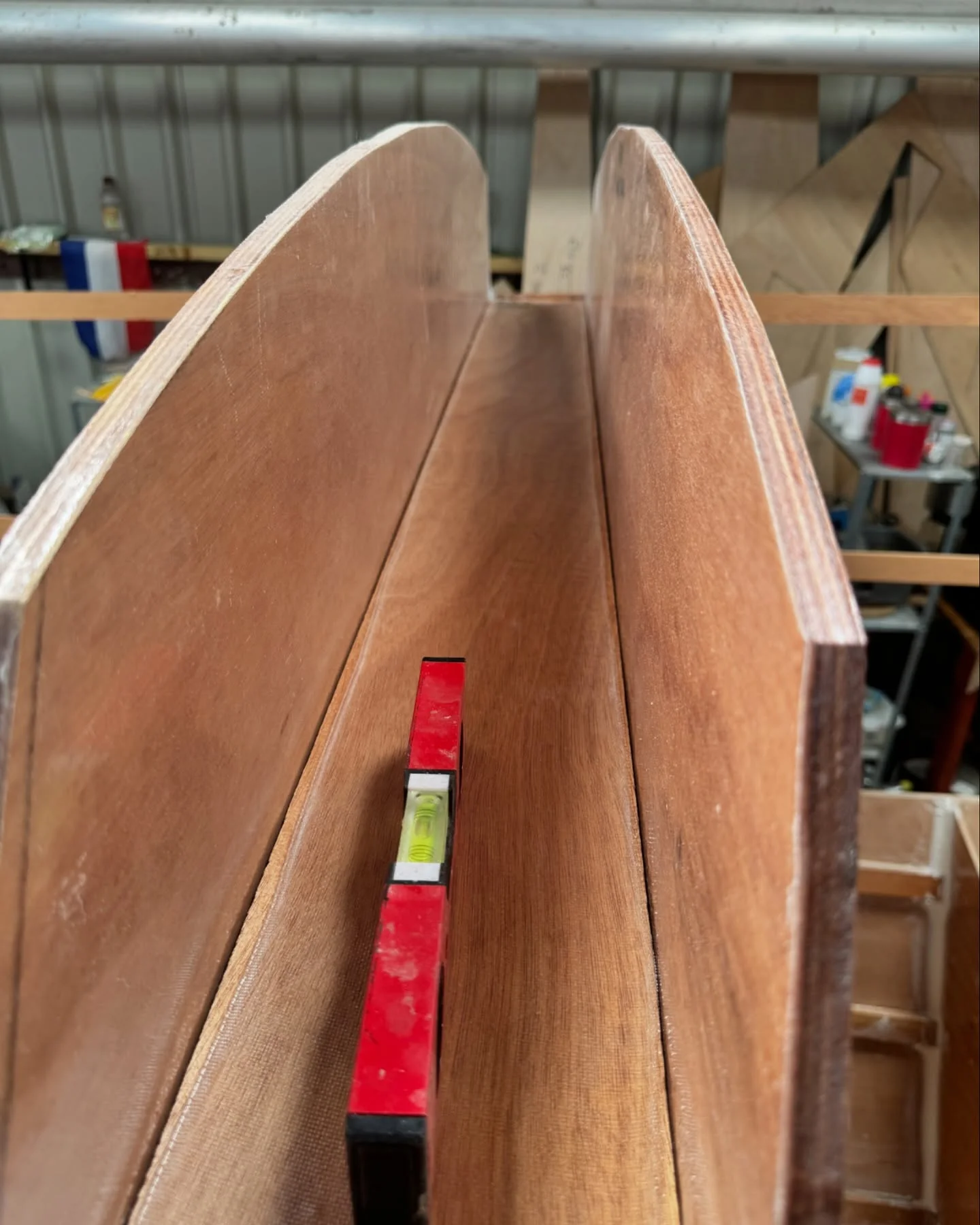
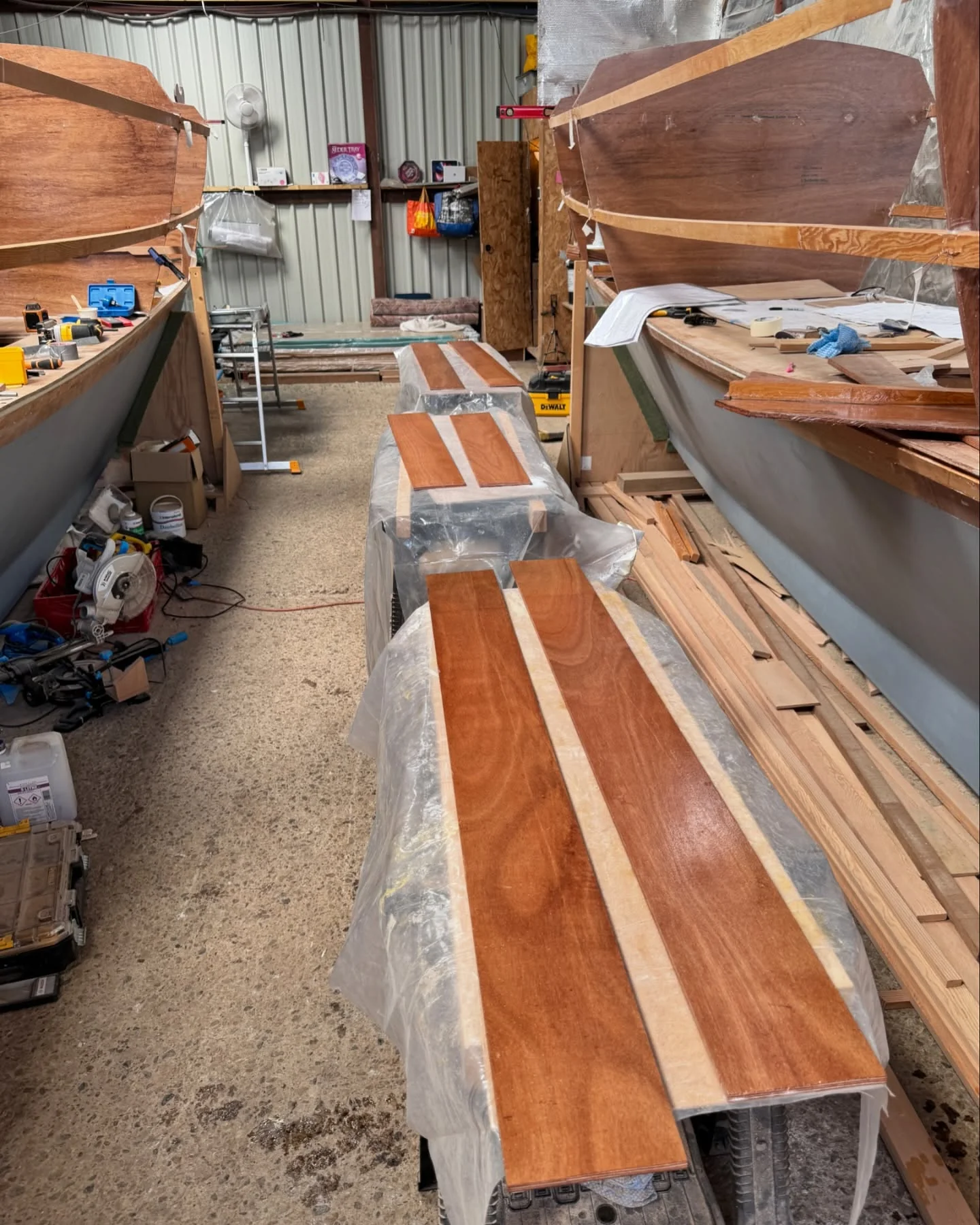
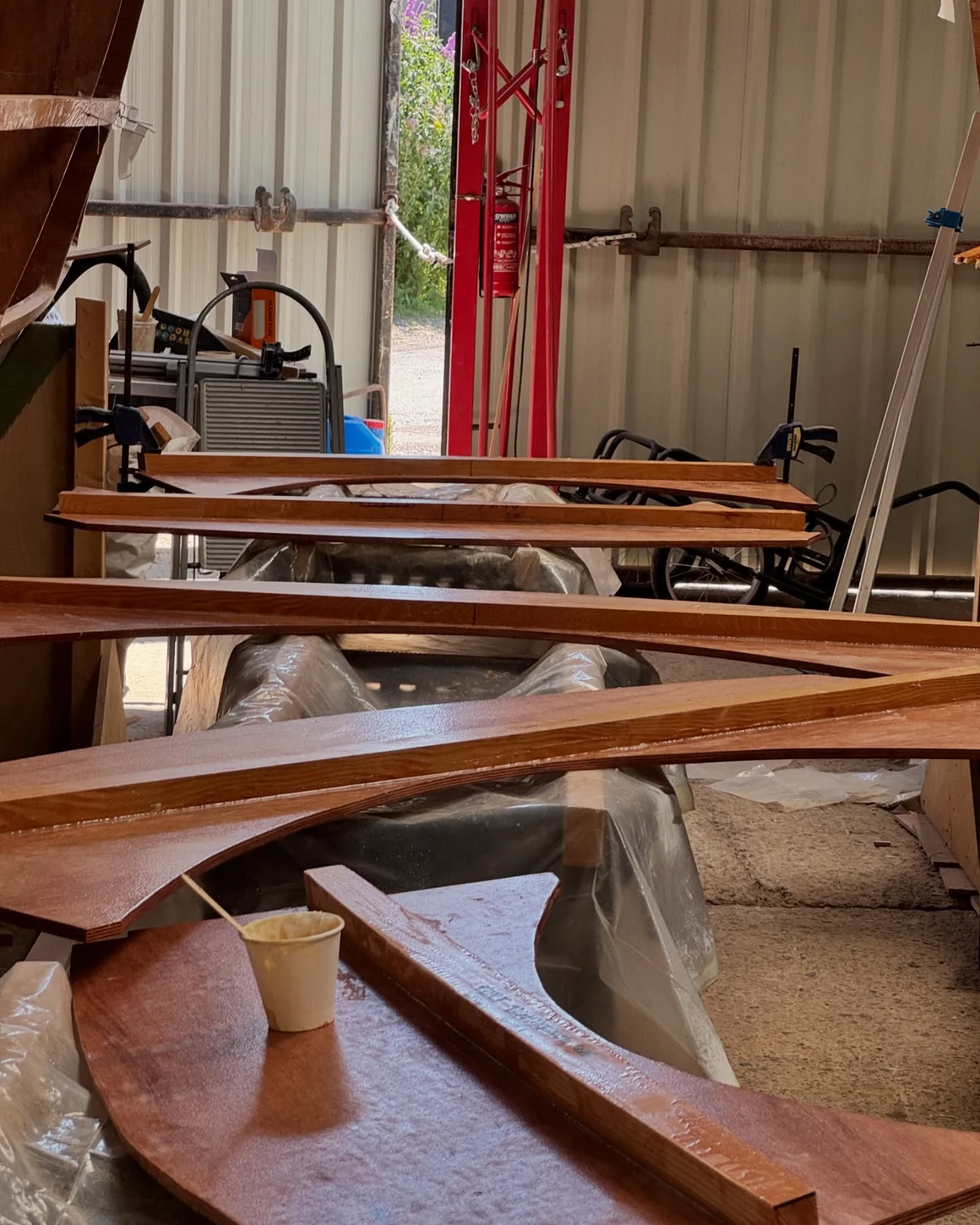
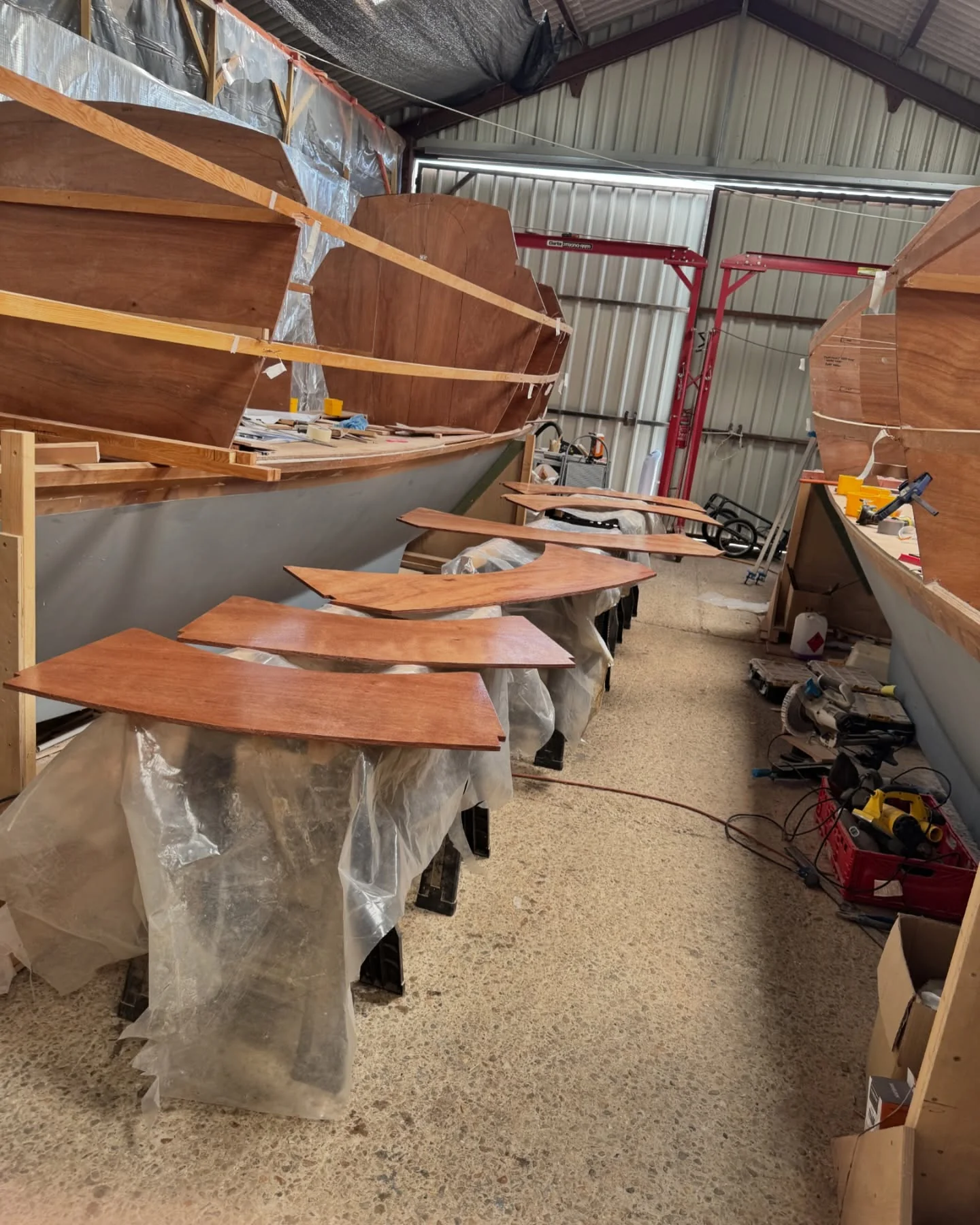
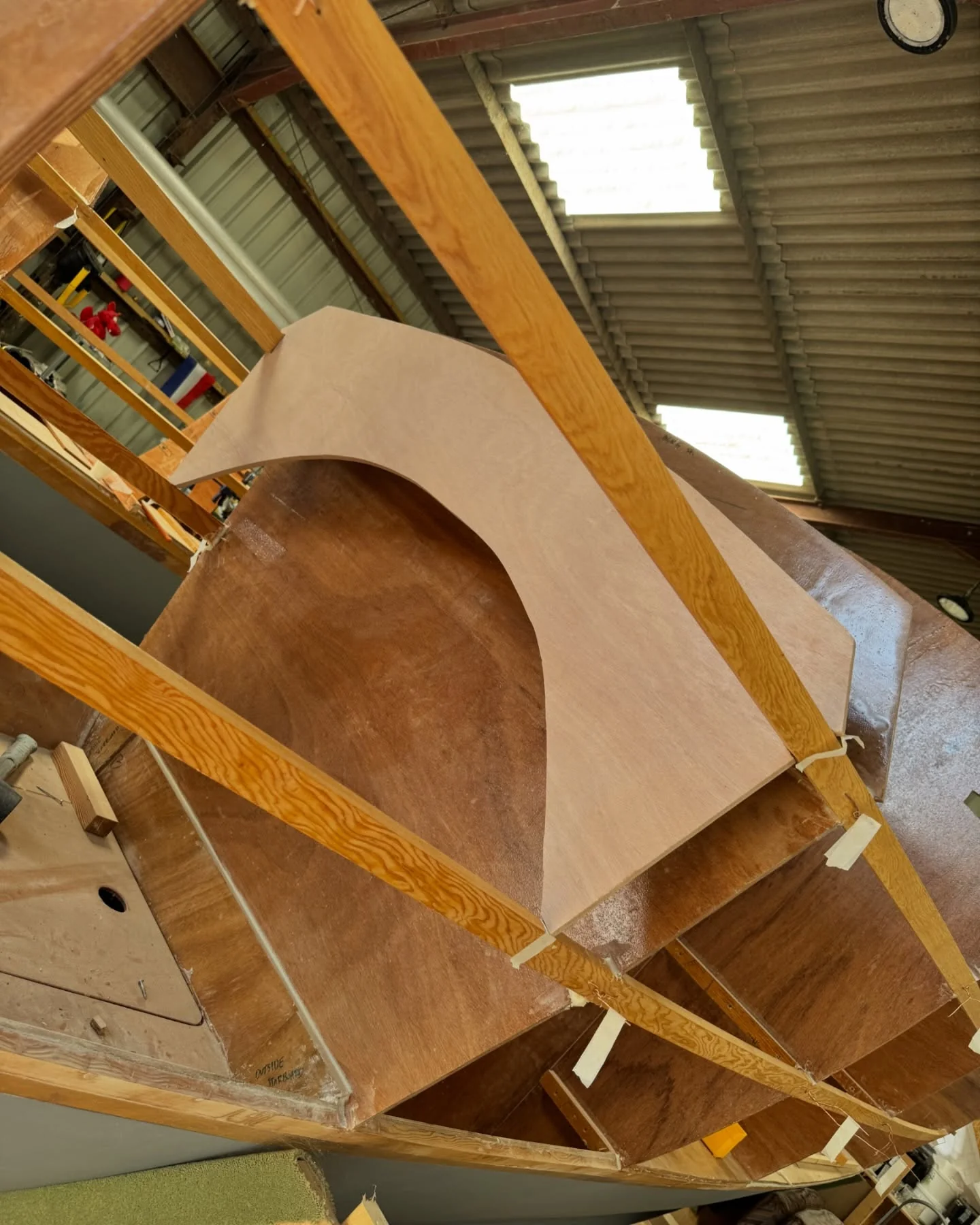
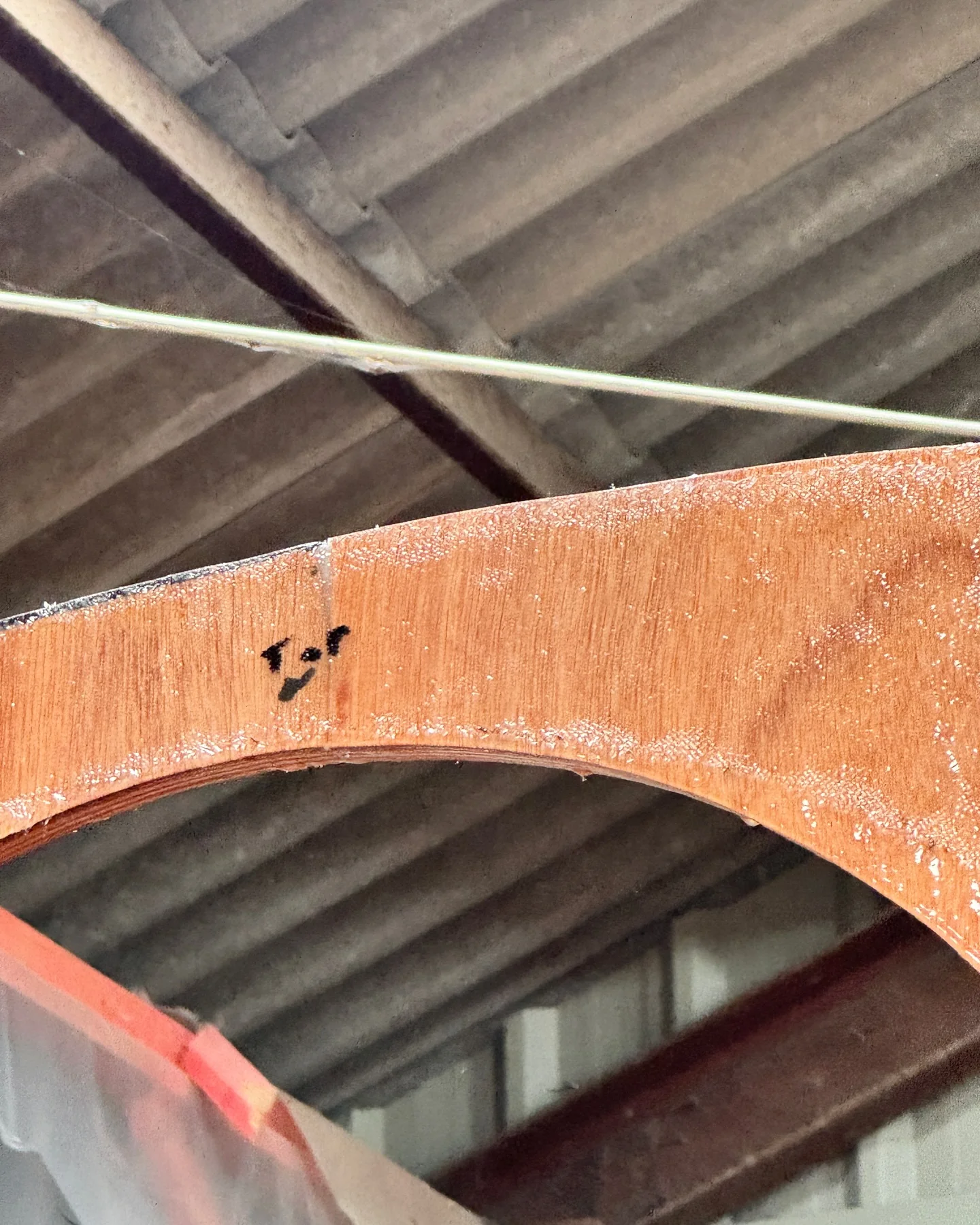
Ikaroa Making the Companionway Stairs Take Abuse With epoxy deliveries delayed, I spent the day fitting companionway stairs from leftover 9mm plywood. The grooves should make each step solid enough for a well-fed person—and it looks good too.
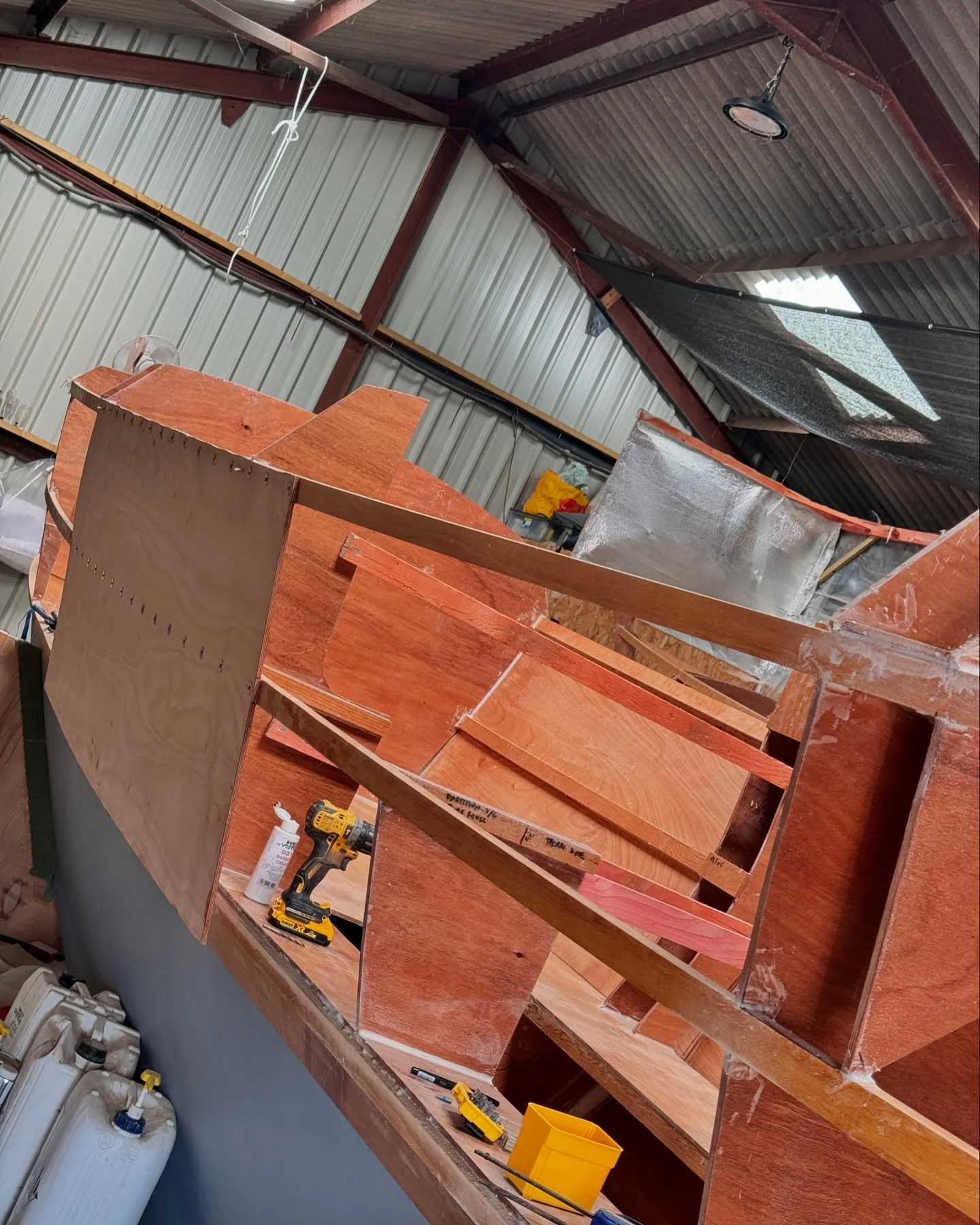
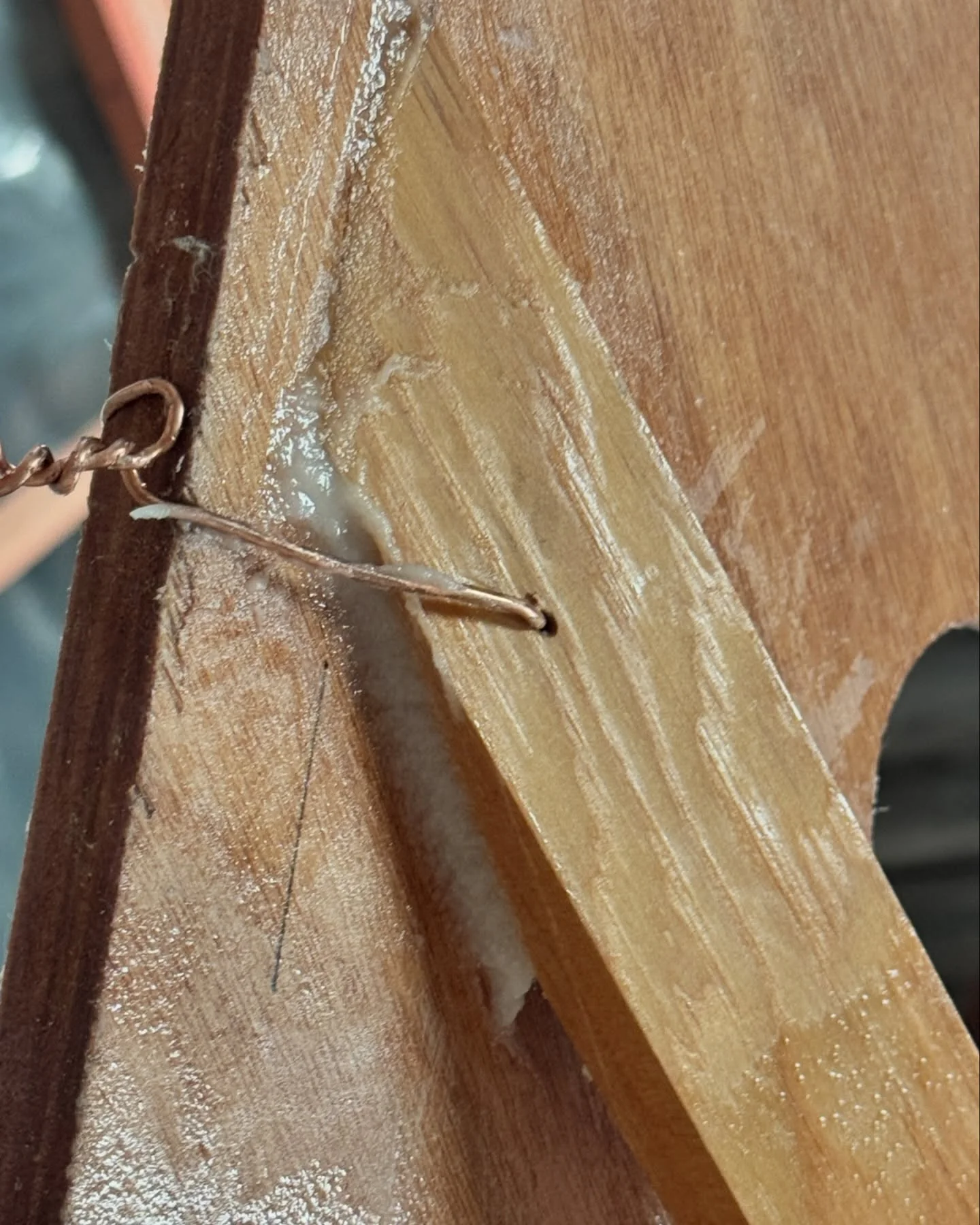
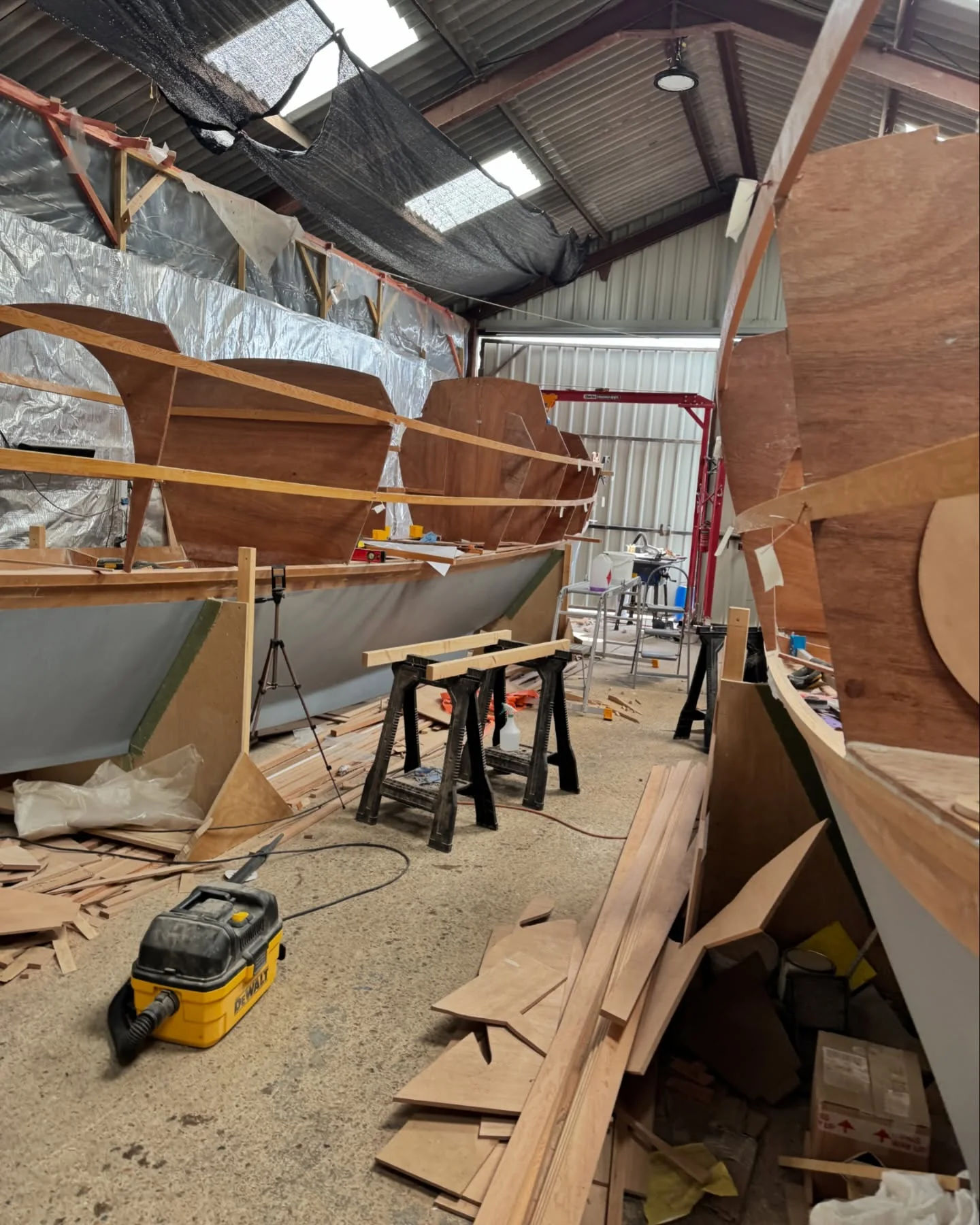
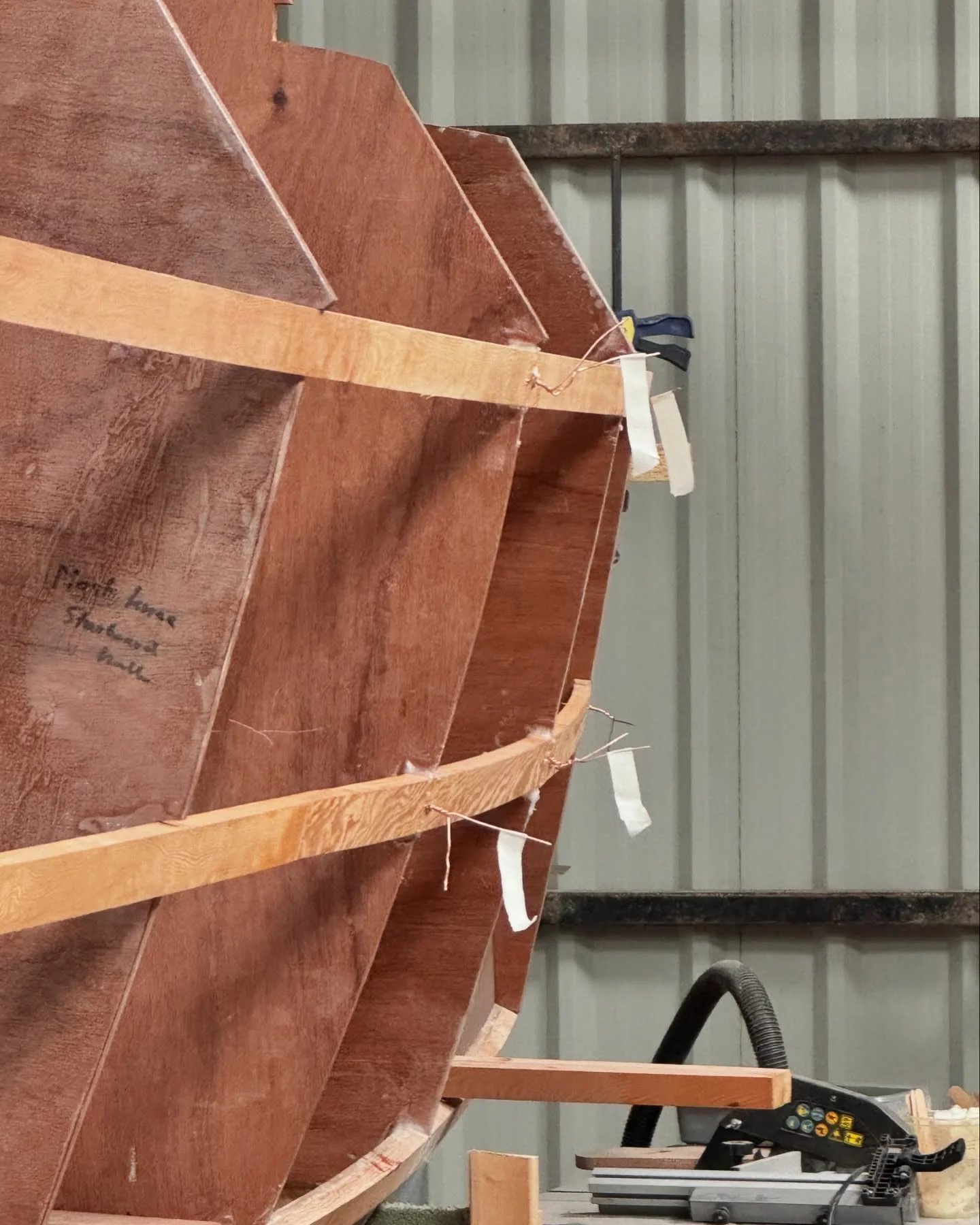
Ikaroa Fitting the Epoxy-Coated Hull Sheets I’m slowly getting the hull dressed, fitting epoxy-coated sheets with generous edges and leaving the lower edge until the stringers and skin are working together. Large screws let me hang each sheet and pull it in without stress.
Ikaroa Plywood Supply Problems, Hull Sides Next Transport costs forced me to find a new plywood supplier, but I’m back to normal programming. I’ve dry-fitted and epoxied the remaining port-hull sheets, with hull sides and deck work next.
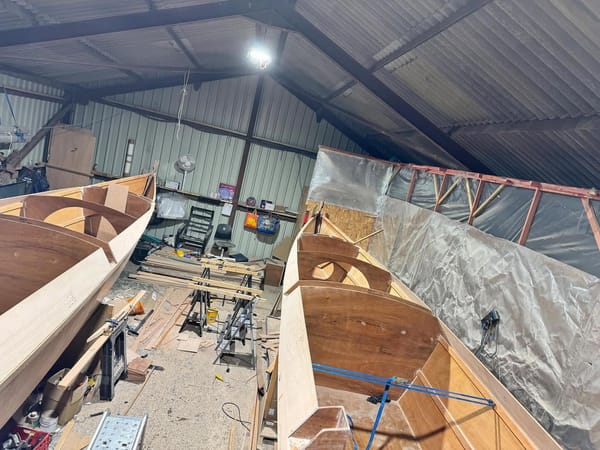
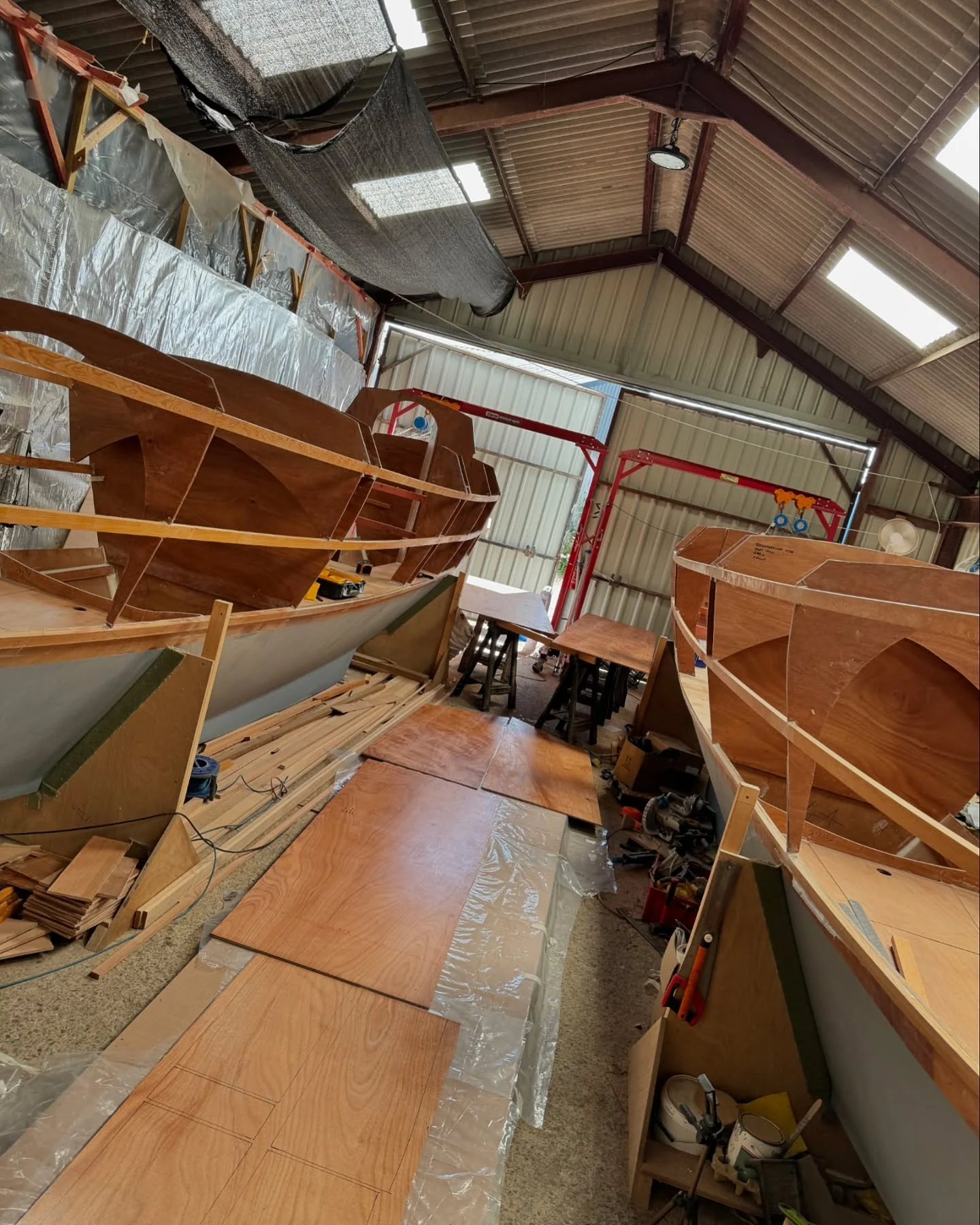
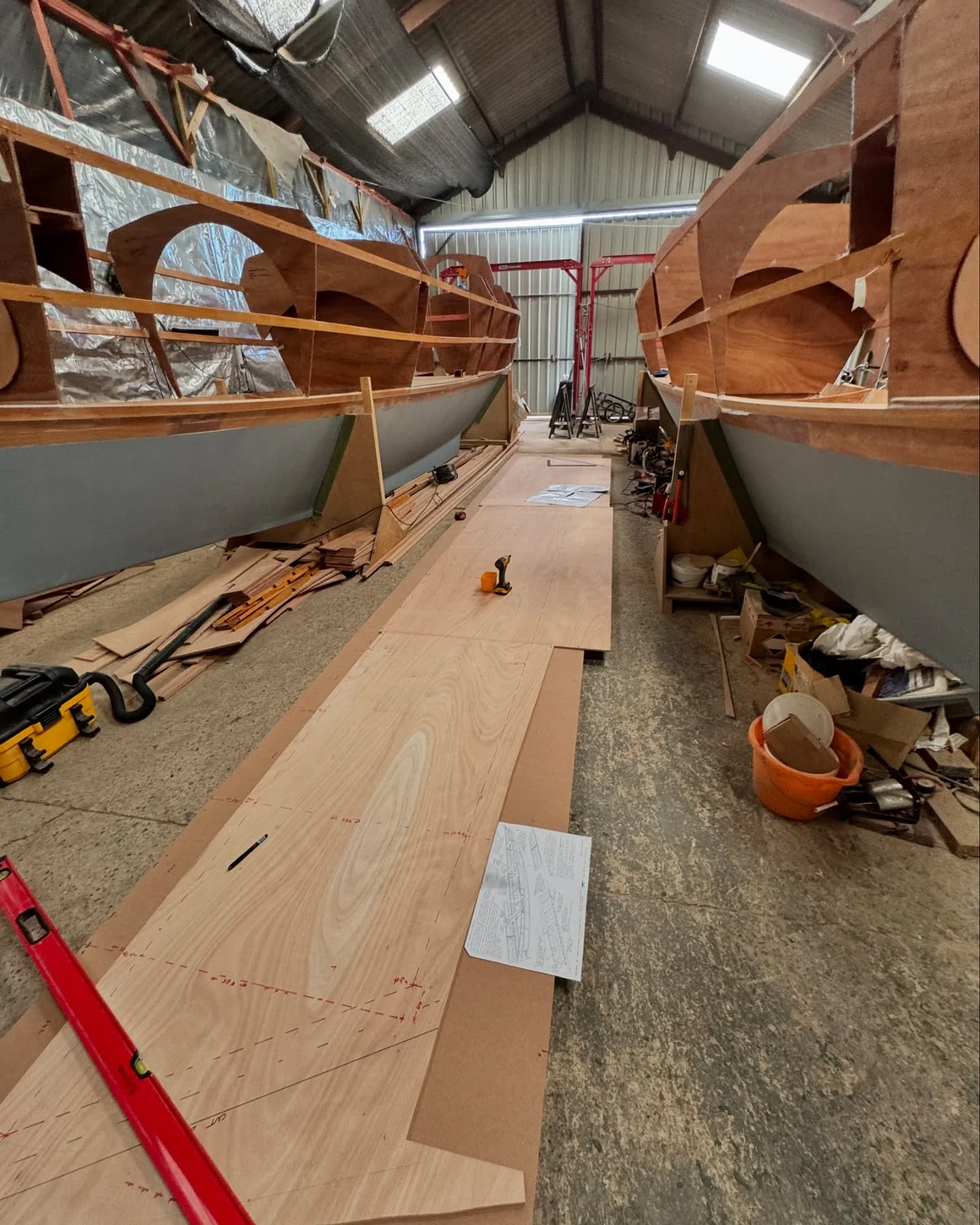
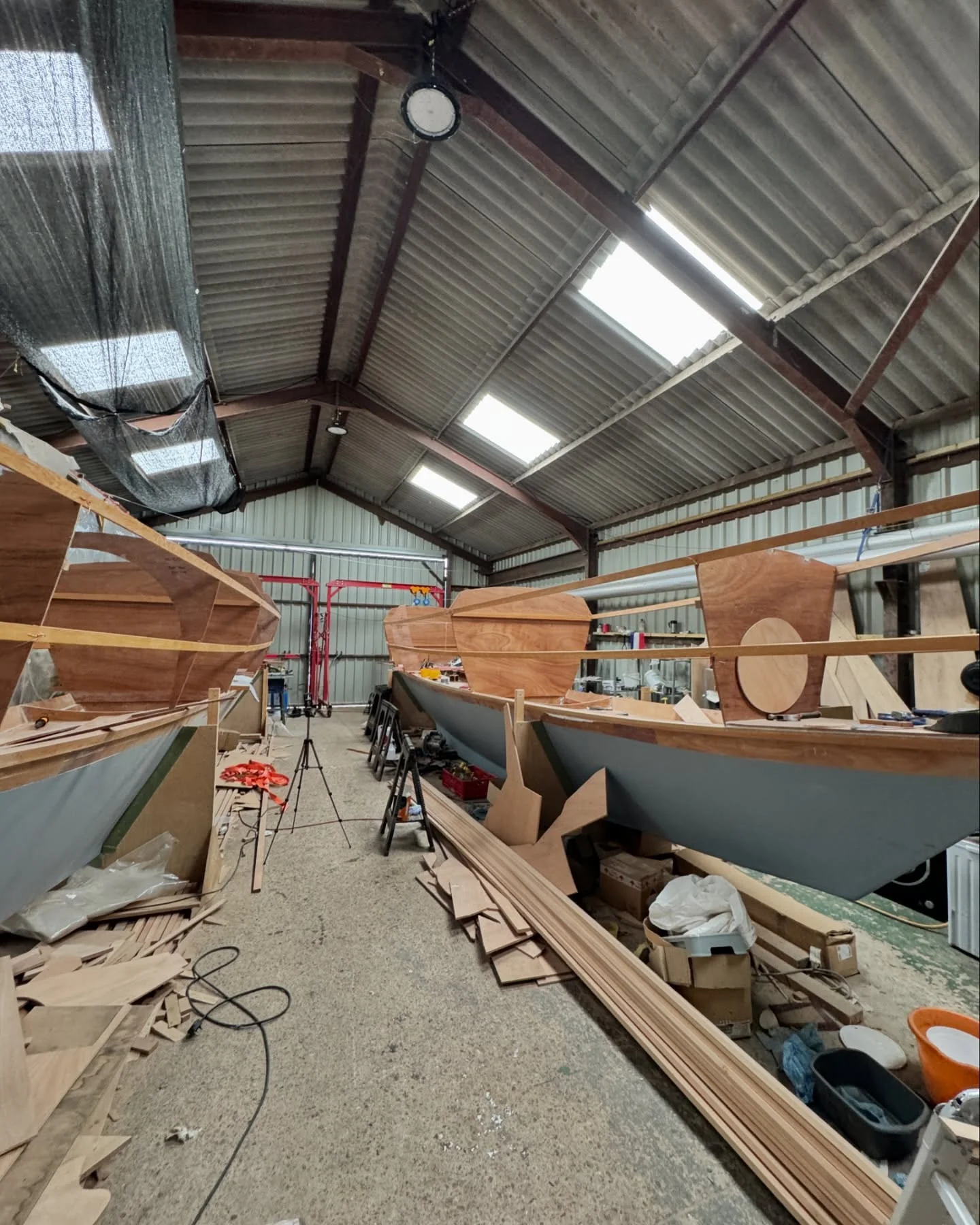
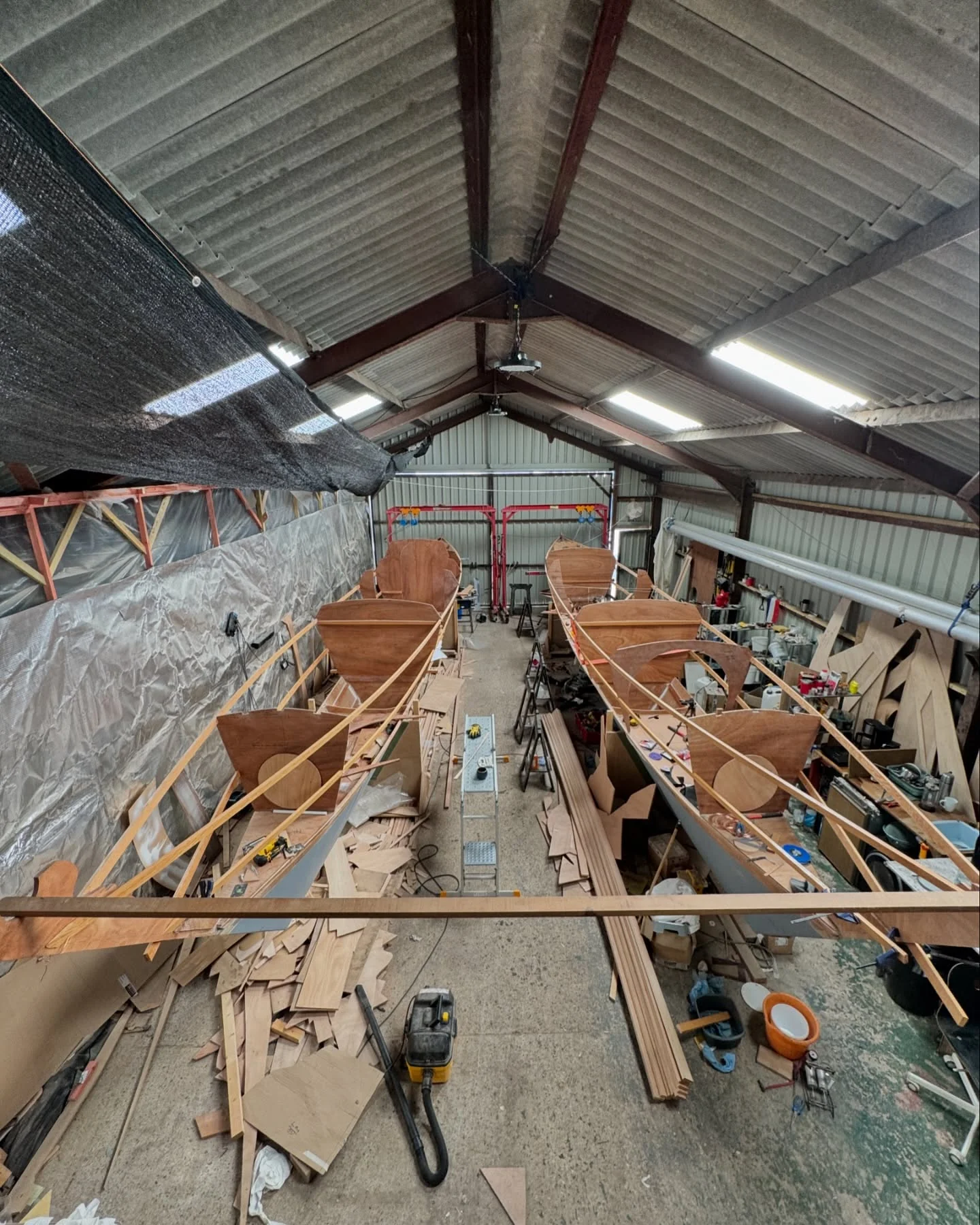
Ikaroa Dry-Fitting the Hull Panels I’m working on both hulls at once, dry-fitting, sanding and handling a steadily shrinking pile of 9mm plywood. So far the plan is working, which is always slightly unnerving.
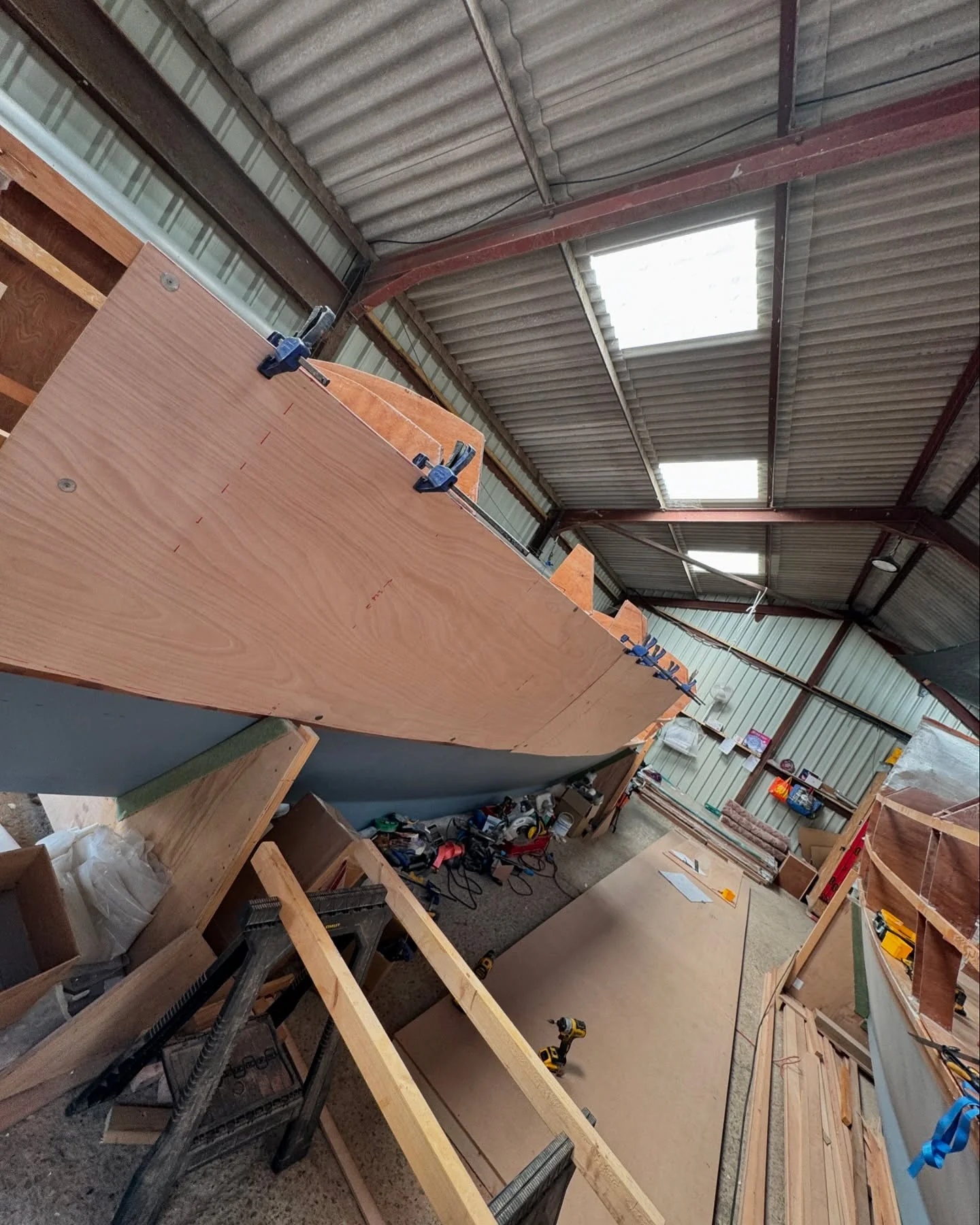
Ikaroa Fitting the Upper Hull Sides Alone I’m fitting the upper hull sides on my own, with sheer stringers making the job easier than the lower hulls. I’ve also learned to dry-fit large pieces, check other people’s work, and cut only when I’m sure.
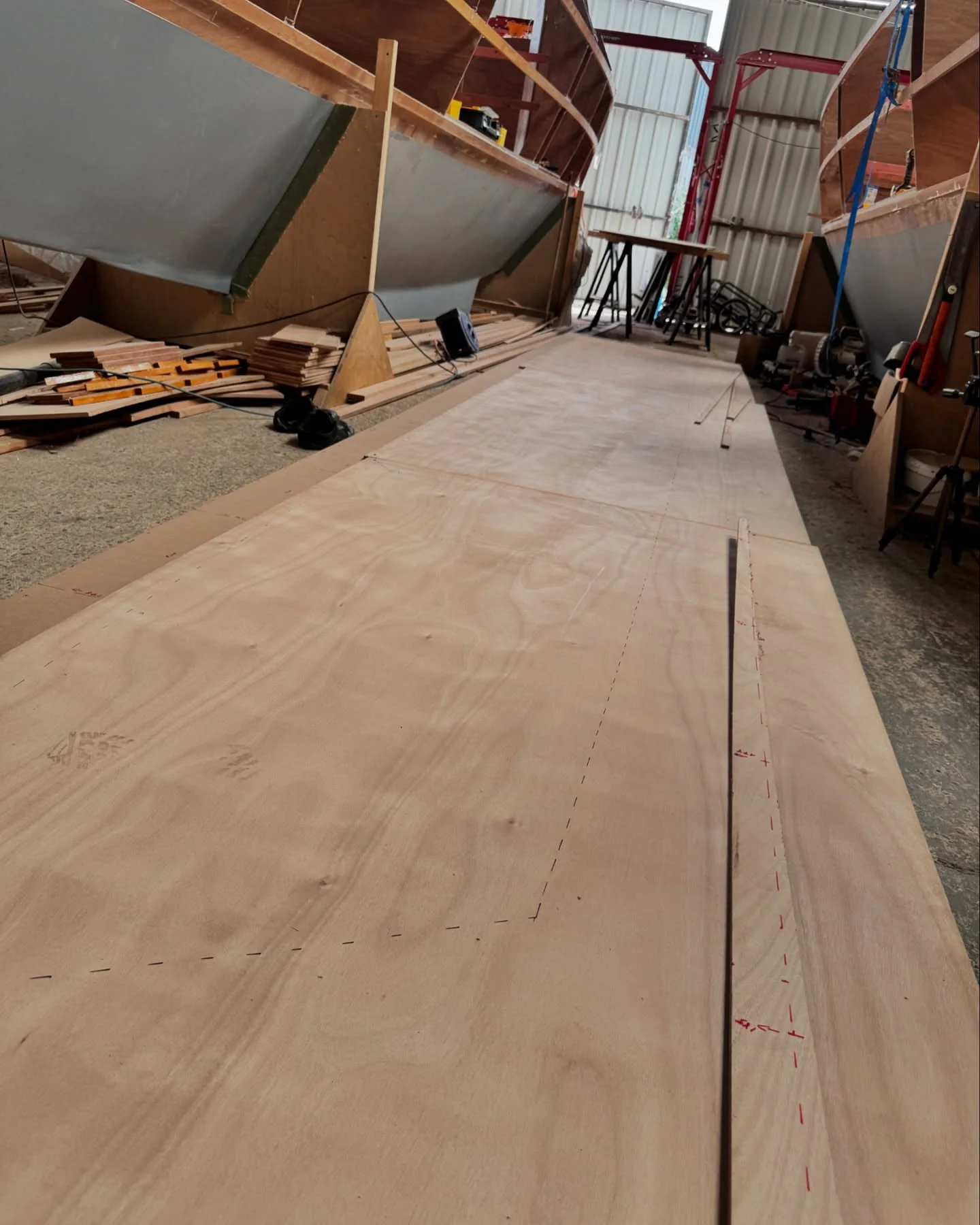
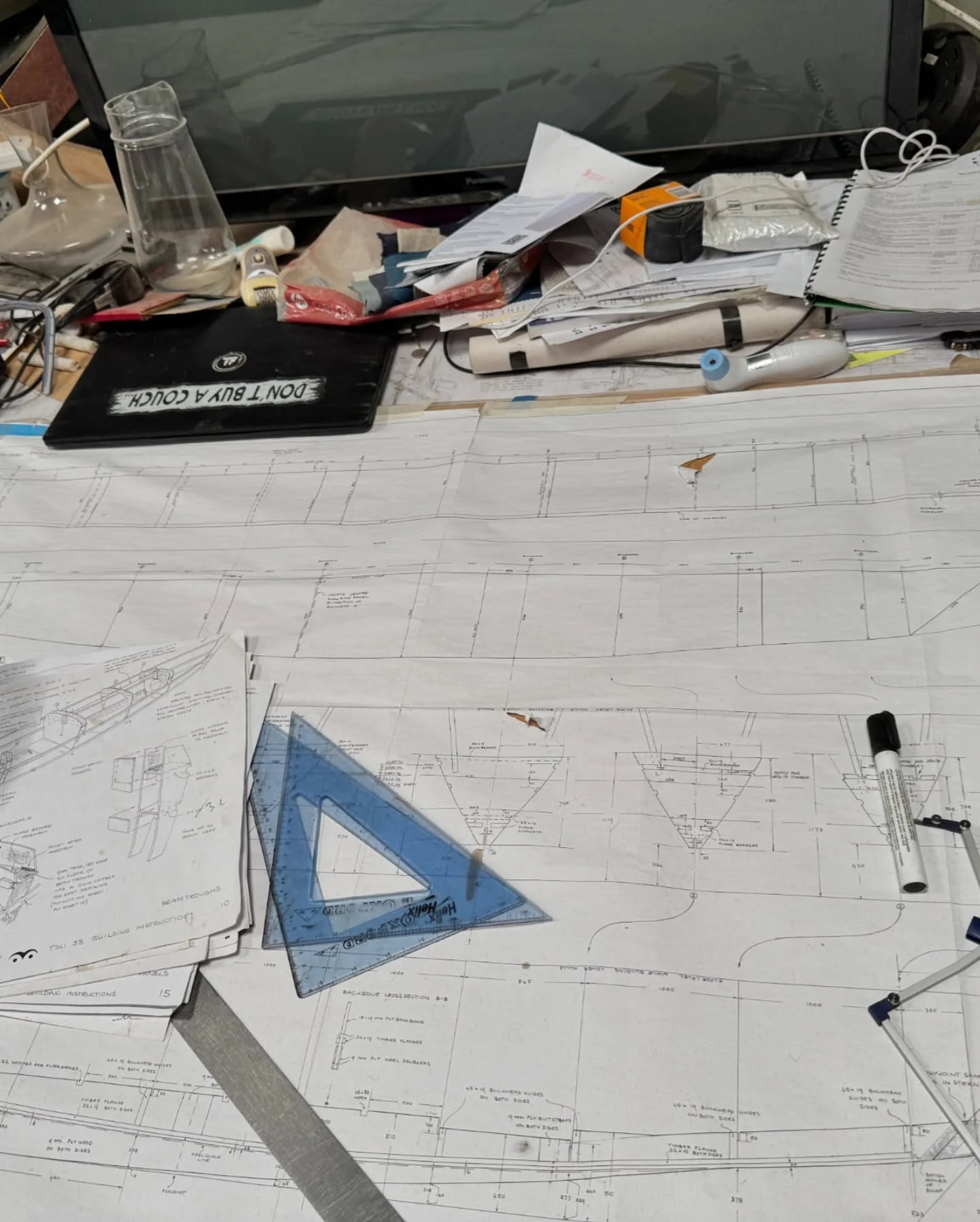
Ikaroa Why My Plywood Joints Look Wrong I explain why the plywood joints marked on my plans do not line up with the actual sheet edges, thanks to some unexpectedly non-standard sheet dimensions. The layout matters for both the beam-through joint and aligning the stern and bow sections of the hull.
Ikaroa Getting Ready for the Hull Sides I’ve taken stock of the workshop and the jobs still to finish before the first 9mm plywood sheets go onto Ikaroa’s stringers. Ten sheets are here, with another ten needed soon.
Ikaroa Mast Beam Knees, One Piece at a Time I’ve laminated the mast beam knees into the hulls and assembled four of the six beam-throughs. Once the remaining preparation is done, the hull sides can finally go on—which counts as HUGE CHANGES.
Ikaroa Sanding Bearers After Epoxying Them In I’m sanding beam-through bearers by hand because I forgot to roughen them before epoxying them into narrow, inaccessible spaces. I’m also fitting bearers to the mast knees and partitions, readying everything for the hull sides.
Ikaroa Making Repeated Pieces Much Easier I’ve got a few identical pieces to make, which makes the job feel almost like an assembly line. Much easier, thankfully.
Ikaroa Fitting Beam Throughs and Floors I’m fitting and epoxying the beam throughs, then moving on to the floors and mast knees. The camber is looking good, and the hull sides are nearly ready to go on.
Ikaroa The Table Saw Gets Its Chance I put the table saw to work cutting precise iroko and plywood components for Ikaroa, while laminating beam-through sides, floors and mast-knee supports. It earned its keep, even if a battery circular saw may eventually replace it.
Ikaroa Slow Hardener Saves My Heatwave Workflow The heatwave had made fast epoxy nearly unworkable, so I switched to slow hardener and got back to fitting the bearers to my beam-through sides. I also recorded the useful temperature and working-time margins for larger microfibre mixes.
Ikaroa Epoxy Before the Workshop Gets Too Hot I started early to cut out the beam through the sides and get the epoxy on before my workshop turned into a solar oven. The new shading fabric helped, but eventually it was too hot for fast hardener, so I went for a bike ride instead.
Ikaroa Starting the Beams, Marking the Firebox I started cutting the beams through the hull sides, with the port pieces next and the first coat of epoxy planned before the heat arrives. I also marked plywood for the boat’s eventual firebox—yes, Ikaroa will have a bonfire on deck.
Ikaroa Finishing the Stringers with Epoxy Leftovers I’m finishing the stringers, with only the stern left. I’m using leftover epoxy to fill screw holes and other places where the protective layer has been removed, before epoxy primer and hard polyurethane paint do their jobs.
Ikaroa Bulkheads Attached, Summer Finally Arrives I’ve permanently attached the remaining major bulkheads to the stringers, leaving only the stems and sterns before moving on. Summer has arrived at the workshop, so I’m taking the midday heat off and finishing the fast epoxy hardener before switching to slow.
Ikaroa Epoxying the First Wave of Stringers I’m working through the first wave of epoxying, joining the stringers to the major bulkheads, stem, stern and partition at 30 contact points. I’m also getting ready to launch our electrical shop and wondering what would make a good prize.
Ikaroa All the Stringers Finally in Place I finally fitted all the stringers, checking them with 9 mm plywood before epoxying them in place. The last 5 mm cut was a careful one—sometimes slower is safer.
Ikaroa She’s Starting to Look Like a Boat I changed the perspective today, and she is starting to look well—almost like a boat.
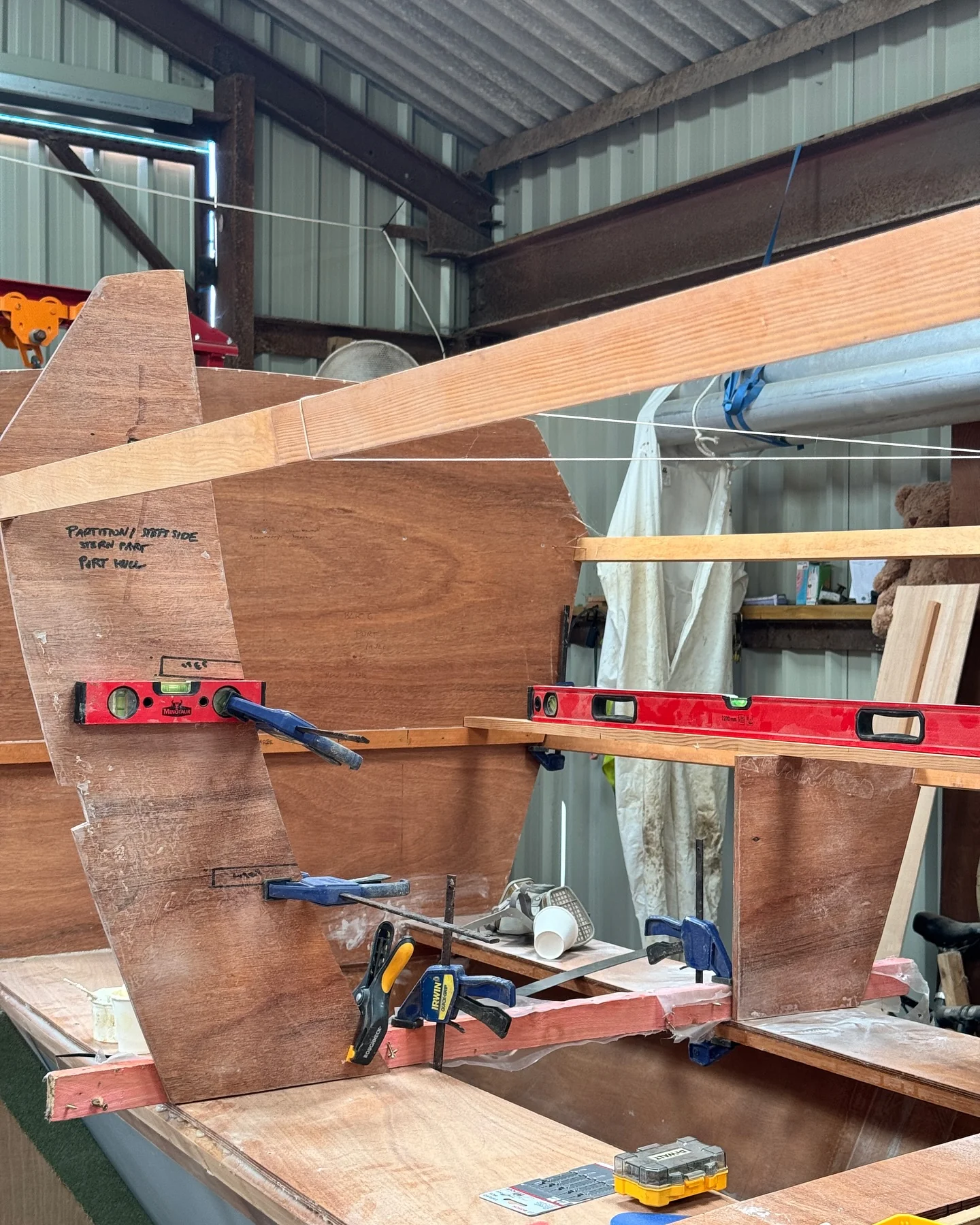
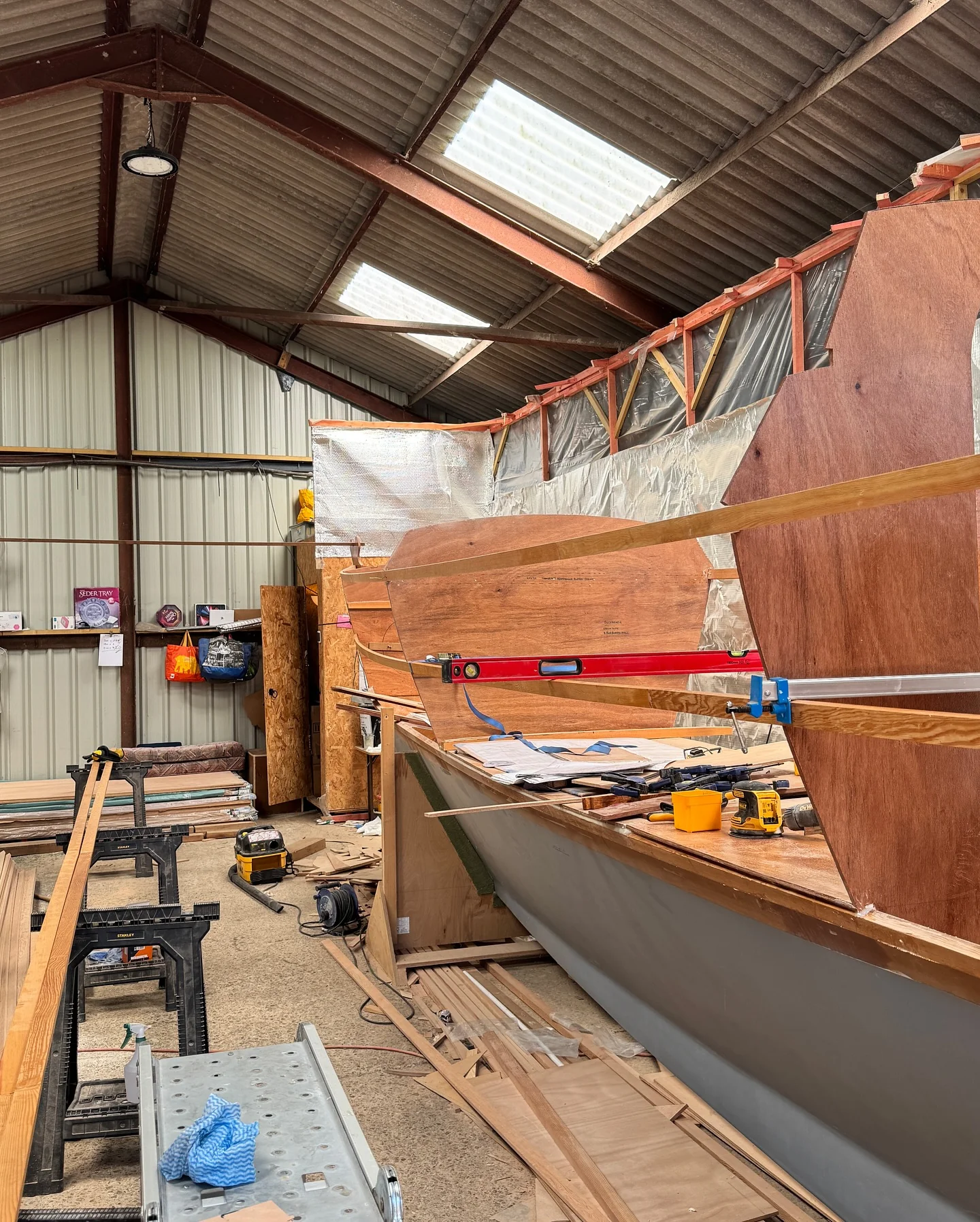
Ikaroa Checking the Stringer Flow Before Fitting I’m taking the slow, careful route with the stringers, using partitions and mast knees to control their flow and avoid surprises later. Trusting and checking beats trusting alone.
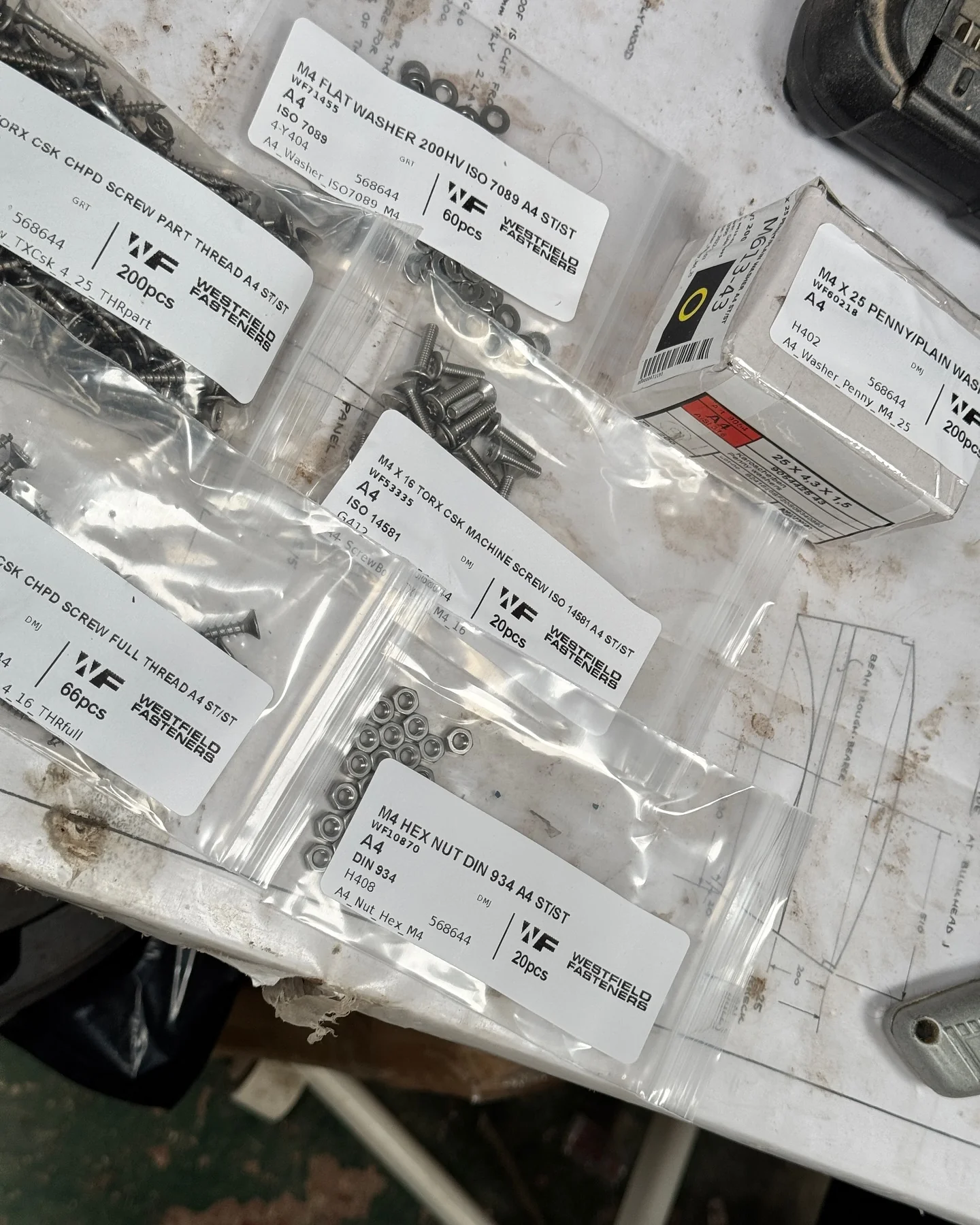
Ikaroa Why I’m Switching to Stainless Washers I’m replacing mild steel washers with A4 stainless ones for the next hull side, after discovering how much easier they make removing stuck screws. I’ve upgraded to TORX screws too, so we’ll see how much trouble that removes.
Ikaroa Fitting the Lower Stringers I’m fitting the lower stringers while somehow working at both ends of the hull and in the middle. Earlier mistakes have made the job considerably more painful, so I’ve had to get creative.
Ikaroa Glass Reinforcement for the Partition I reinforced the joint between the two partition pieces with small glass patches, while getting ready to continue with the stringers and beam cuts.
Journal Help Me Get Ikaroa Out I’m building an all-electric catamaran with off-the-shelf equipment and trying to get Ikaroa out of the workshop before winter. Membership helps us reach that goal, with behind-the-scenes posts, Discord access and equipment discounts.