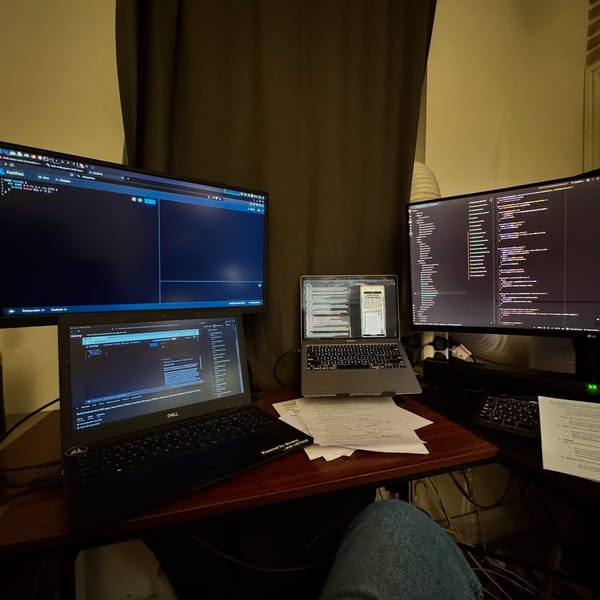
Journal Refocusing on the Other Half With my wrists and boat work temporarily sidelined, I’m getting back into programming while we set up our office and build new software to help pay the bills.
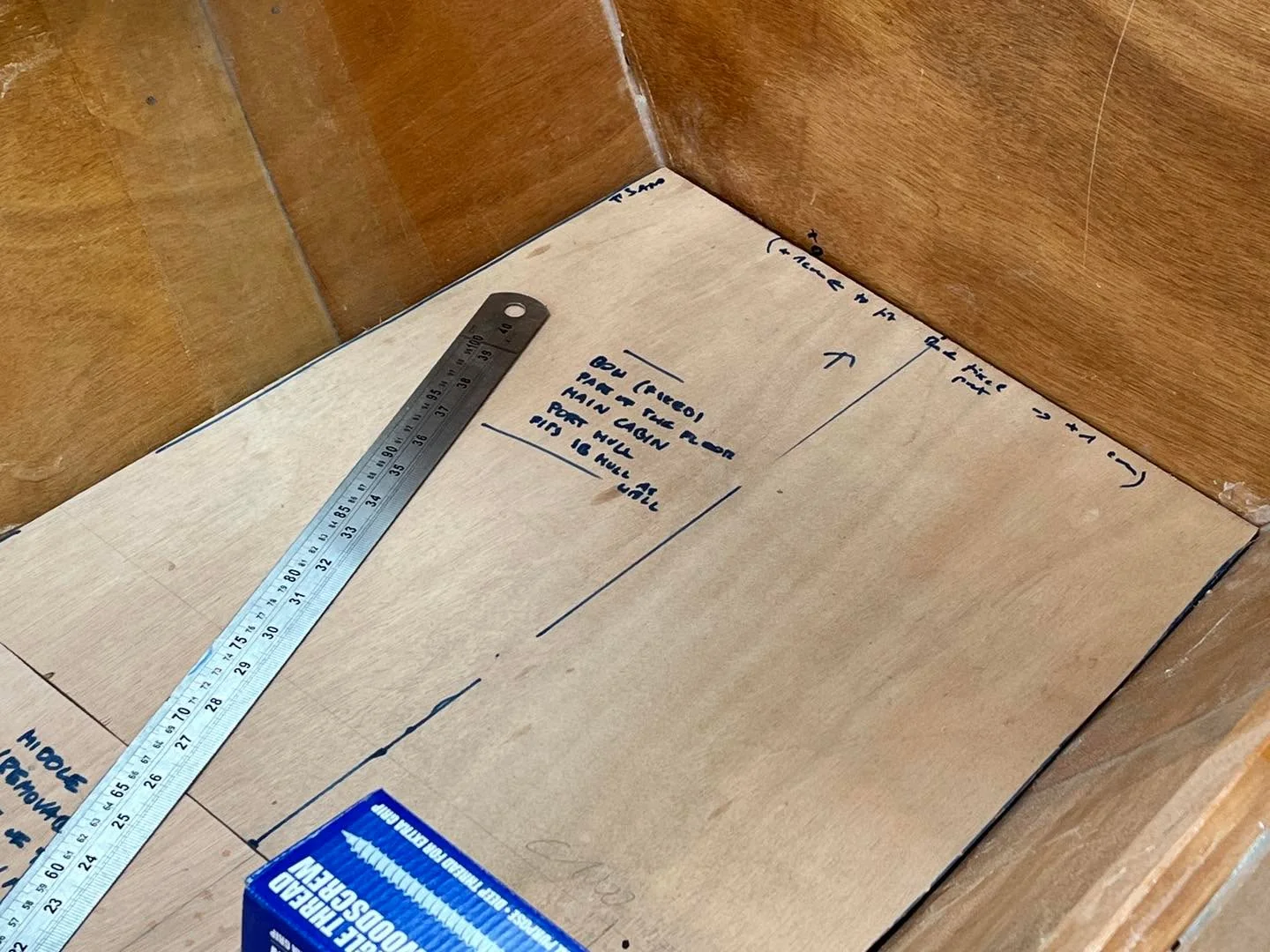
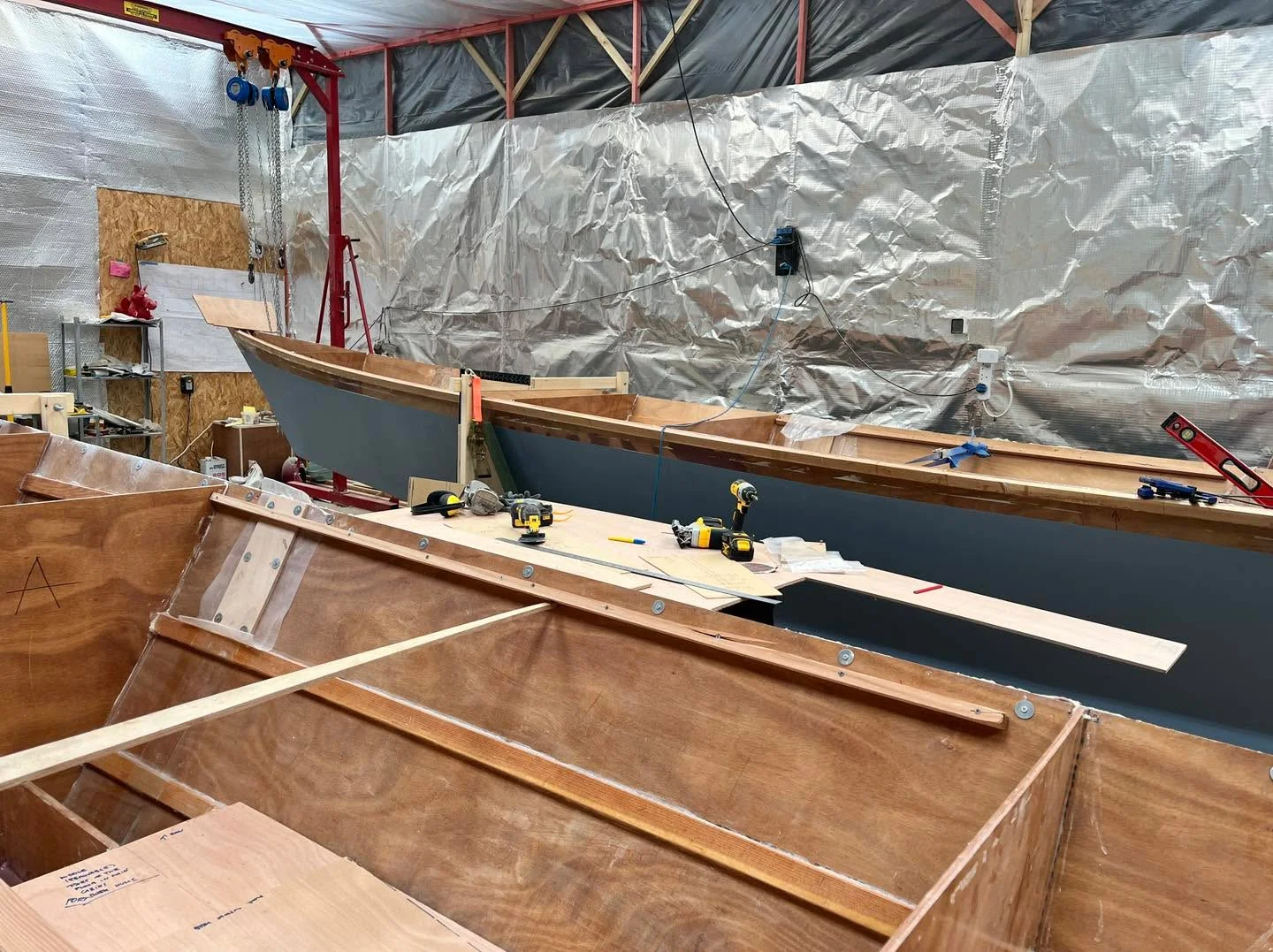
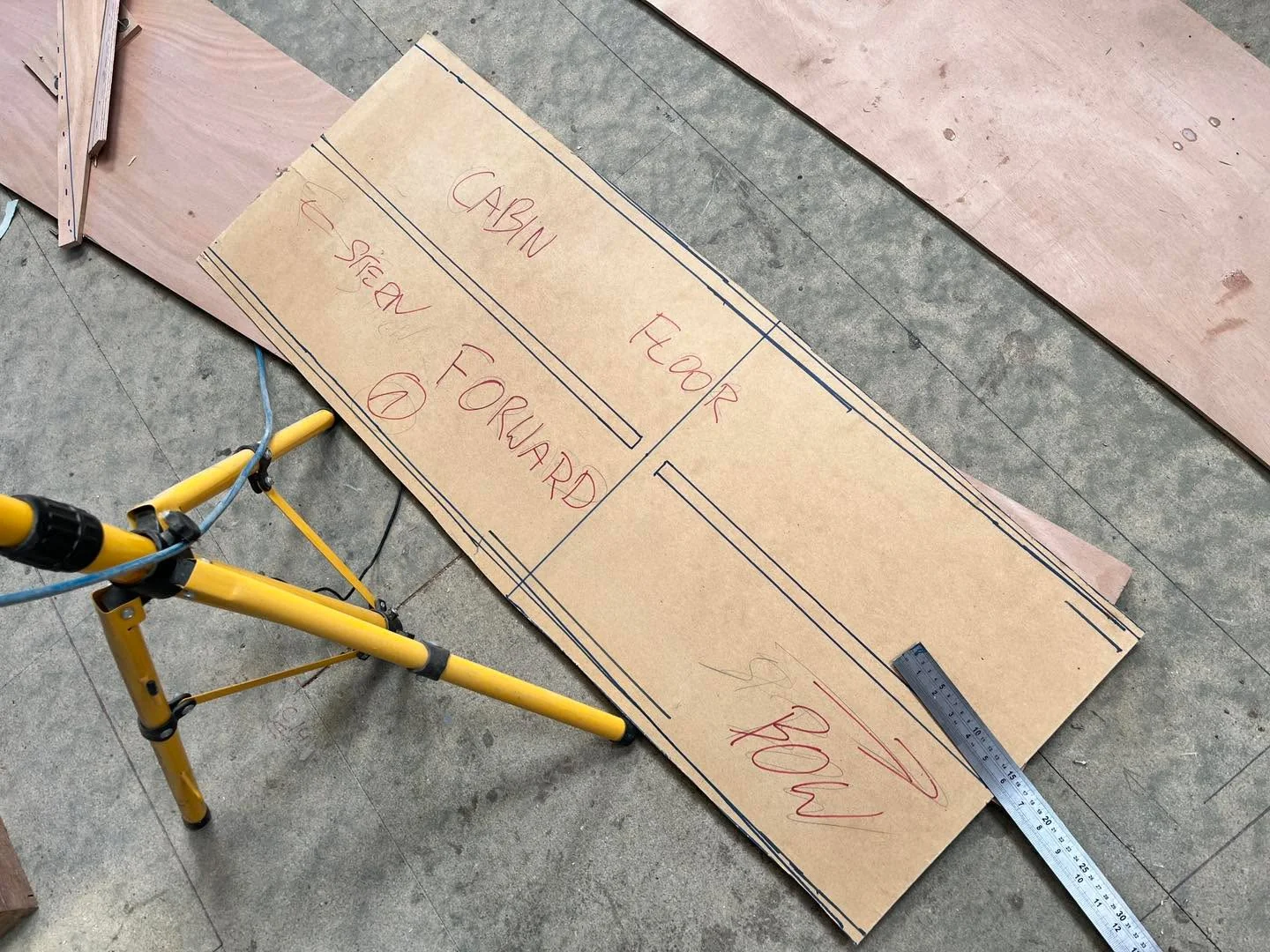
Ikaroa Dry-Fitting the Hull Floors I’m dry-fitting the floors before the epoxy work, and the best surprise is that the hulls are actually identical at floor level. A floor made for one fits snugly into the other—which feels like an achievement.
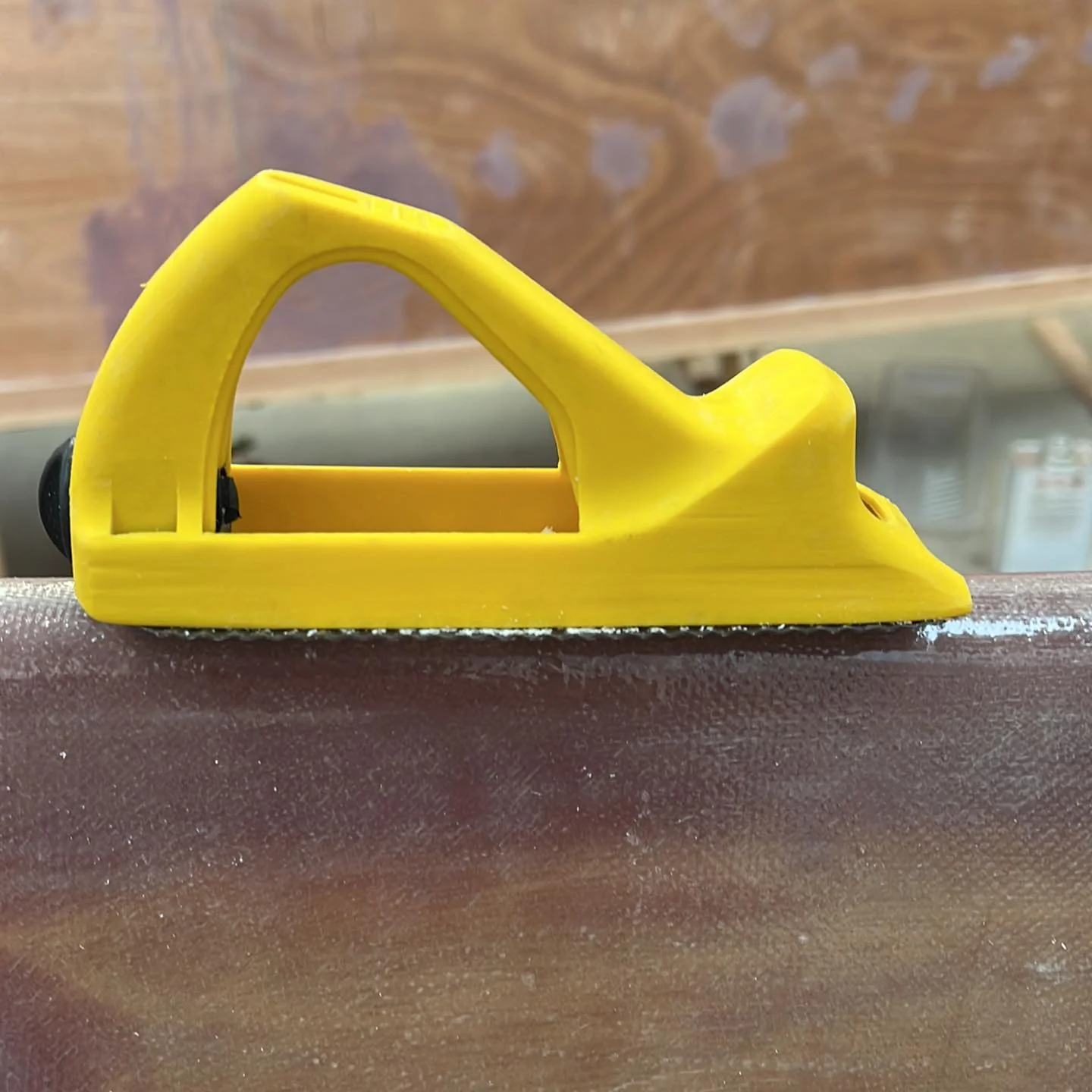
Ikaroa Getting Back to Boat Work I’m struggling to find my rhythm again after a weekend off, so I’m sanding keel fillets, preparing floors and glassing the hull joints. I also made a rather handsome fillet-sanding tool that works better than it looks.
Ikaroa Preparing Floors for the Cabins I started preparing the cabin floors, with underfloor painting and epoxy work next. I’m also switching from “hull 1” and “hull 2” to starboard and port as the interior work begins to diverge.
Ikaroa Second Keel Fillets in the Heat I’m pressing on with the second layer of keel fillets, despite the workshop reaching 29.5°C before mid-morning. I’m also glassing the panel joints from inside and making hard plastic spatulas that cannot be broken by reaching too far.
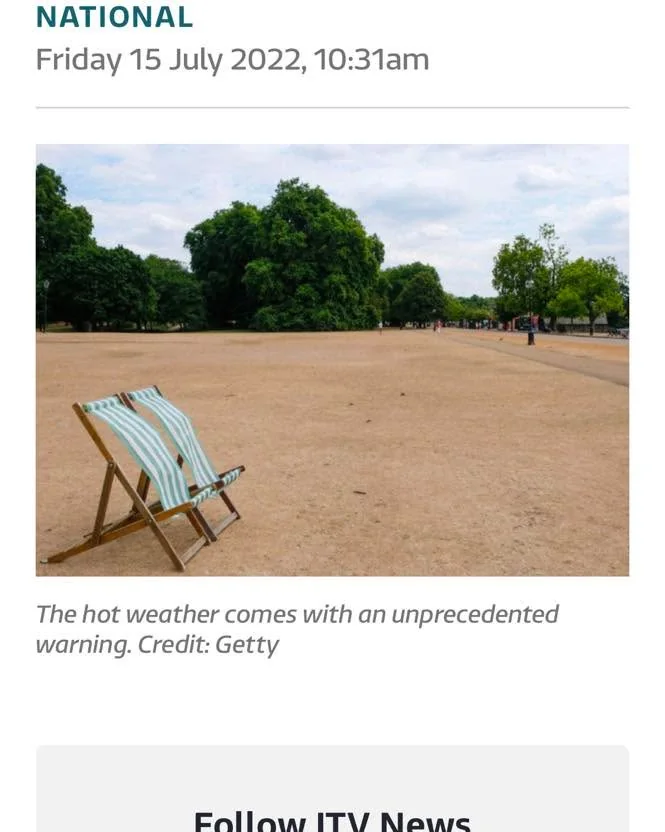
Ikaroa The Heatwave Has Beaten Our Epoxy With the Met Office issuing its first red heat alert and temperatures possibly reaching 40 degrees, I have no chance of working with epoxy on Tuesday—even with slow hardener.
Ikaroa How Tough Is a Thin Interprotect Layer? I’m testing the cured Interprotect coating from a mixing bucket and finding that even 0.05 mm makes a remarkably tough continuous film. With Coppercoat and polyurethane still to come, I’m starting to believe the hull will be nicely protected.
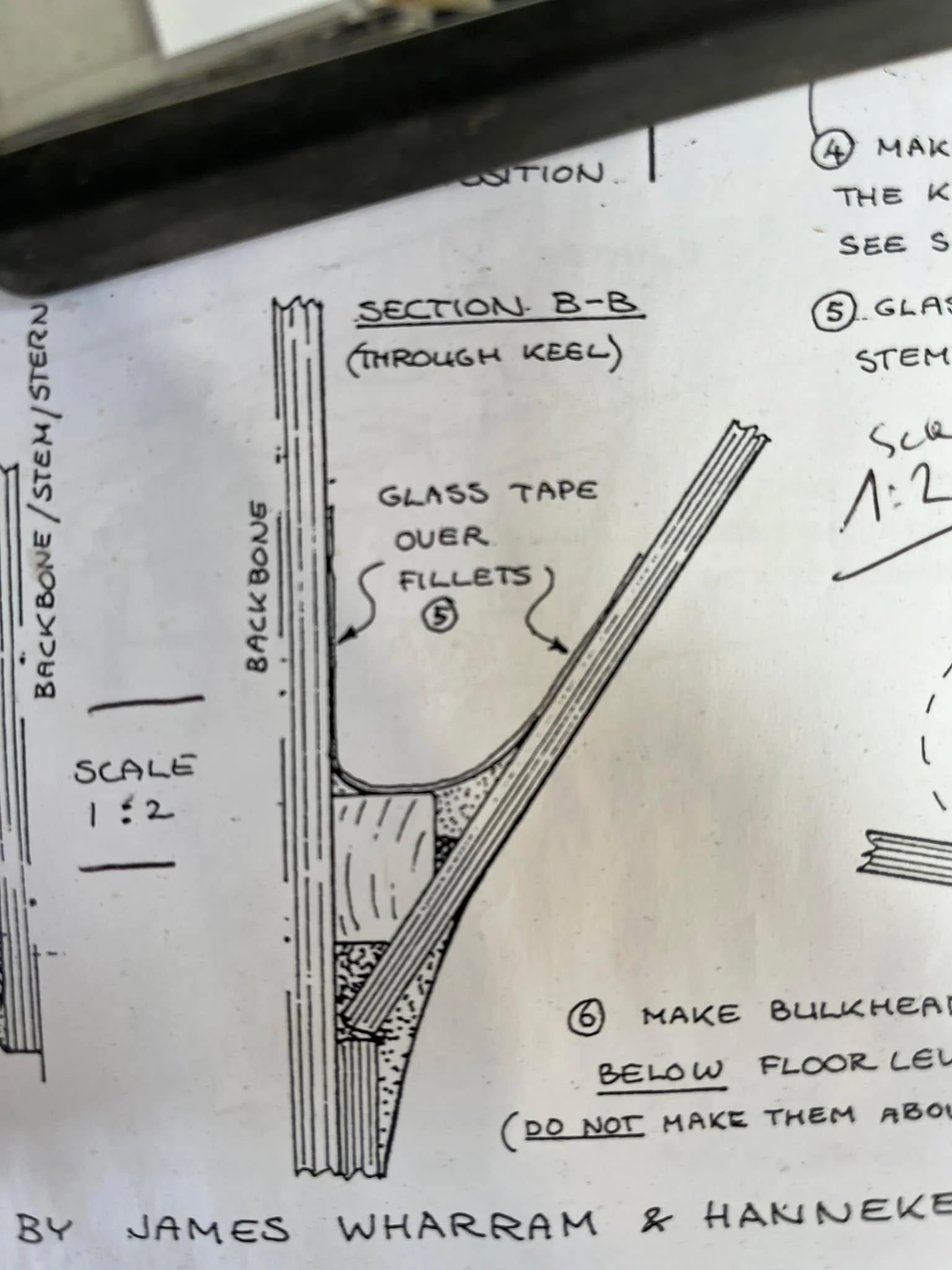
Ikaroa Keel Fillets After Turning the Hulls I’ve reorganised the workshop and started making the keel fillets, using a runny epoxy and microfibre mix to fill the gaps between the backbone, bulkheads and hull sides. A thicker layer and glass tape will follow.
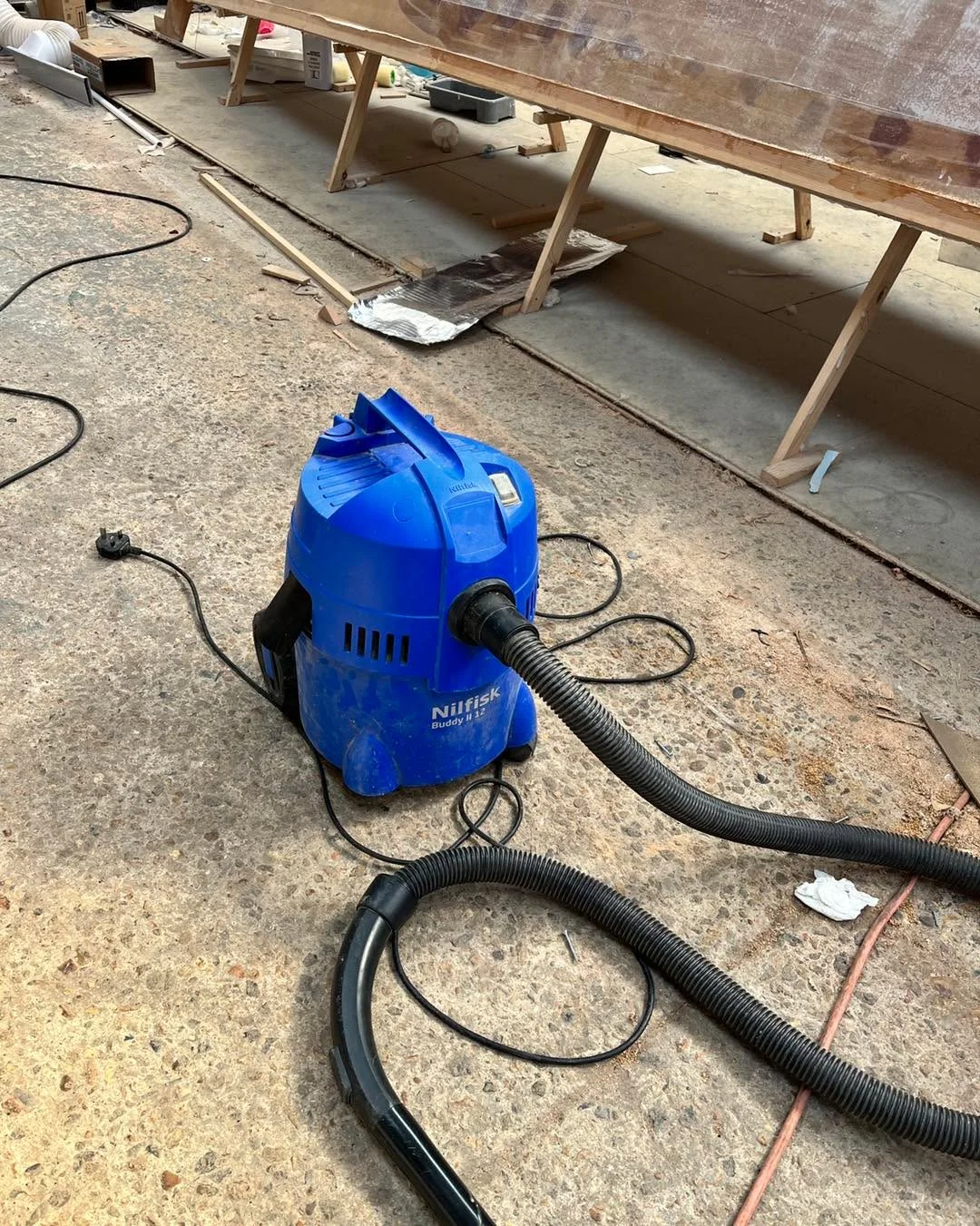
Ikaroa When the Wet-and-Dry Vacuum Went Feral I learned the hard way that our Nilfisk wet-and-dry vacuum is not watertight. After it nearly cooked itself, I replaced it just in time to vacuum and paint the hulls before turning them.
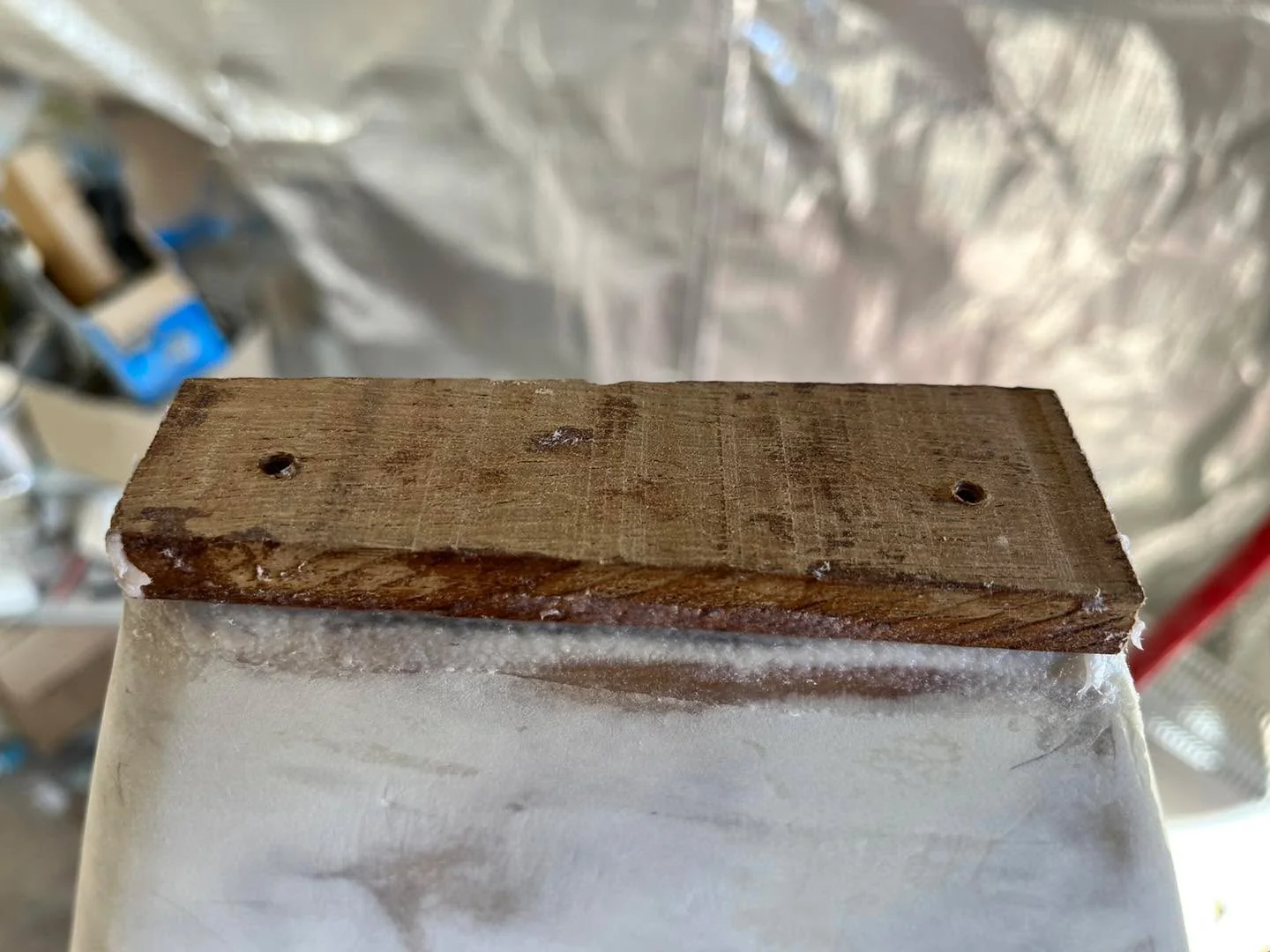
Ikaroa Iroko Shoes on the Keel I shaped iroko battens for the keel and skeg, glued them in place, and then spent the day sanding until my arms vibrated. The hulls are looking wonderfully golden, and I’m still on track to turn them next week.
Ikaroa A Faster Way to Fair the Hulls I’ve found a much faster way to apply fairing compound to the laminated hulls, with only about an hour of sanding per side. The tent may also be nearing the end of its service as our workshop.
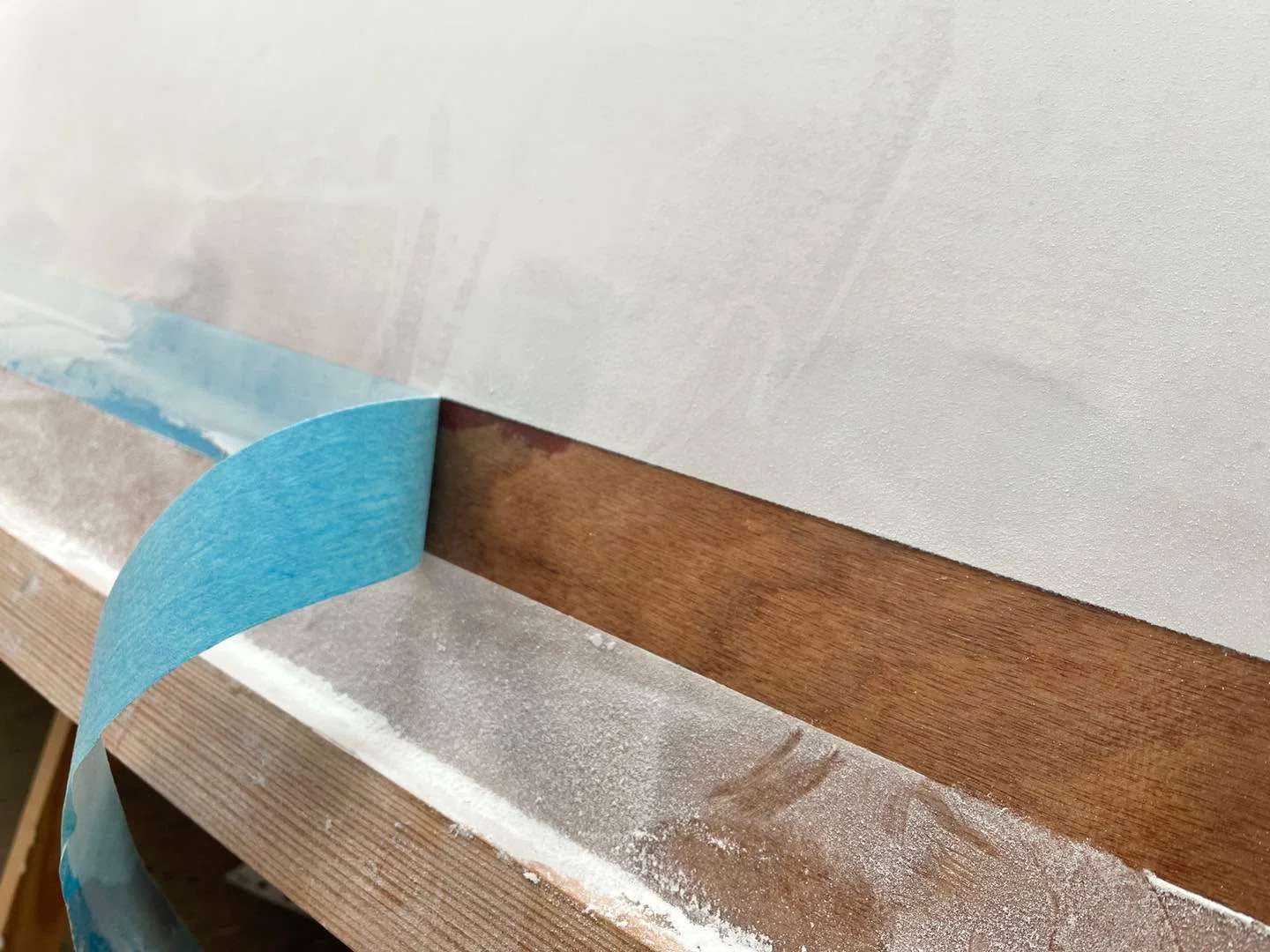
Ikaroa Sanding the Hull Smooth I’m sanding the hull curves smooth before painting and turning the hulls. The fairing compound is coming along nicely—though leaving the tape on too long was less clever.
Ikaroa Narrowing the Iroko Keel Pieces I’m still avoiding sanding hulls, so I started narrowing the iroko pieces for the keels. The dimensions also give me a useful check on the plywood, glass and epoxy laminate thickness.
Ikaroa Moving Heavy Materials Without Crushing My Feet I use straps to hold plywood in place and move heavy materials around the boatyard—because dropping 30kg on my feet got old quickly.
Ikaroa Fairing the Freshly Laminated Second Hull I laminated the other side of the second hull, added aramid, and tried a very thin, runny layer of fairing compound to fill the weave. The cooler weather was a welcome relief after battling the heat and amino blush.
Ikaroa Cork Insulation and Condensation in Boats I’m asking how condensation has affected other Wharram boats, and how people have dealt with it. I’m planning to use a thin layer of cork inside Ikaroa for both insulation and the interior finish.
Ikaroa Finding the Best Fairing Tool I spent five days and 15 square metres of hull testing fairing tools before finding a bigger, stiffer plastic squeegee that actually worked. The first hull is now faired, and I’m moving on to laminating the second.
Ikaroa Finding the Best Fairing Tool I spent five days and 15 square metres of hull testing tools before finding a large, stiff plastic squeegee that made fairing much easier. The first hull is now faired, and I’m moving on to laminating the second.
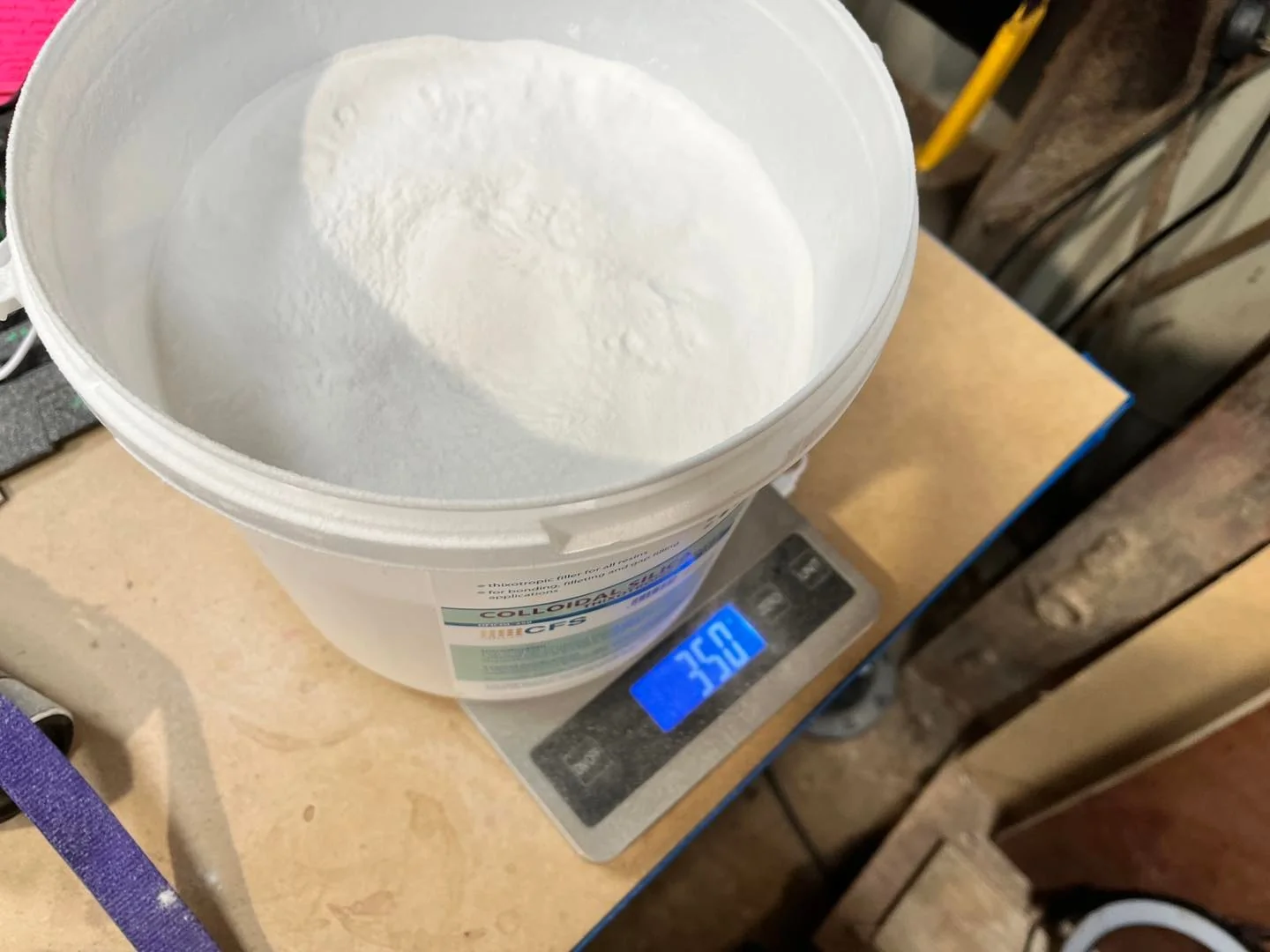
Ikaroa Fairing the Hull, One Slow Bit at a Time I’m fairing the hull with glass bubbles and colloidal silica, working through it 20–25 cm at a time. It is smooth enough, but painfully slow, and I’m already dreaming of sanding.
Ikaroa Protecting the Keel with Aramid Tape The heat slowed me down, but I got the final epoxy layer on and added aramid tape to protect the most vulnerable parts of the keel from abrasion. Next came fairing compound—and then the same work again on the second hull, the beauty of catamarans.
Ikaroa Surforming Every Bump Before Aramid I’m smoothing every tiny bump from the laminated surface before adding the final glass and aramid layers. The aramid will protect the edges when we start dragging Ikaroa onto beaches.
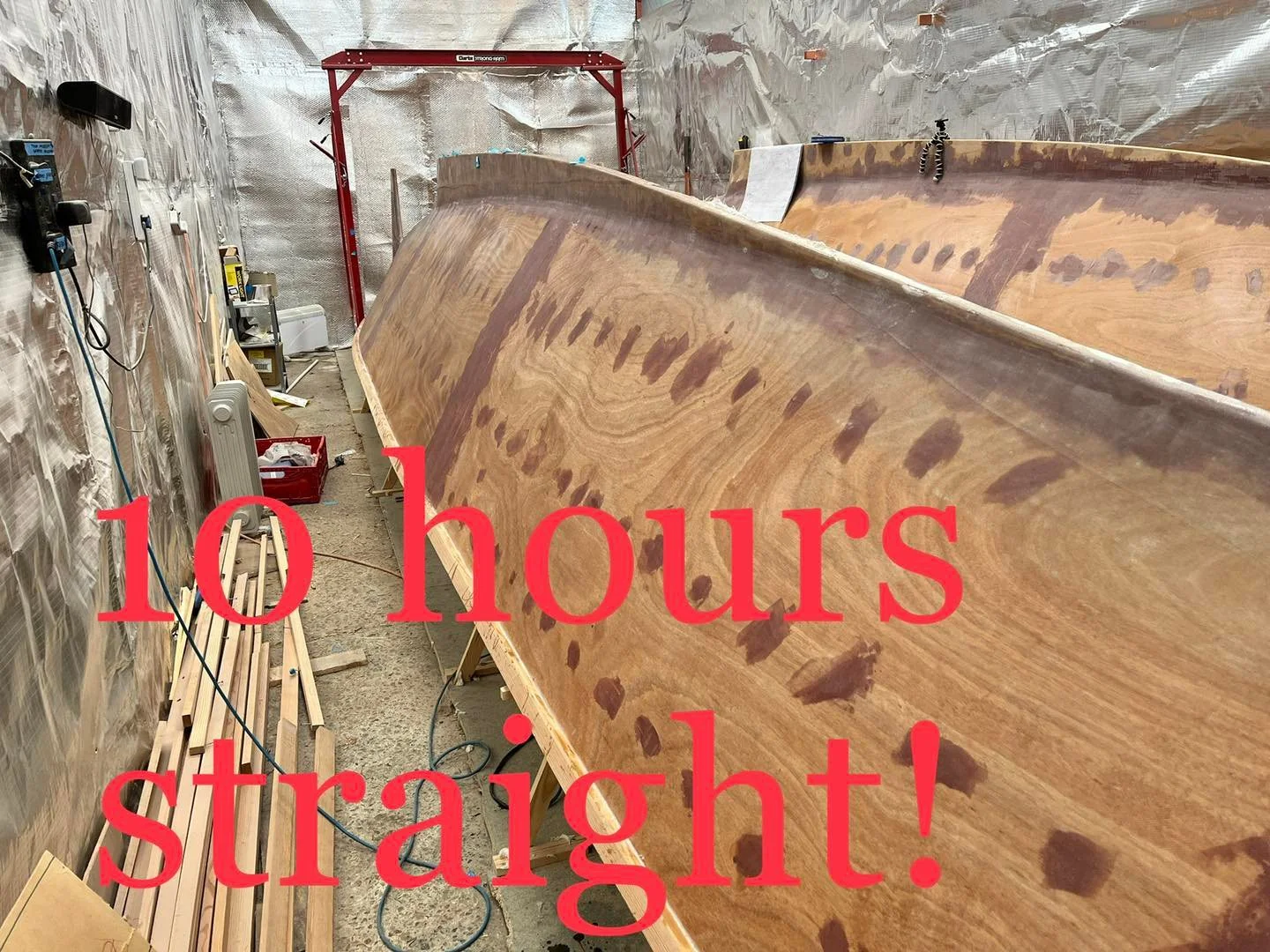
Ikaroa Ten Hours to Laminate a Hull I spent ten uninterrupted hours laminating the hull, with no coffee and a few mistakes to repair. Exhausted but very happy, I’m moving on to epoxy, aramid tape and the next hull.
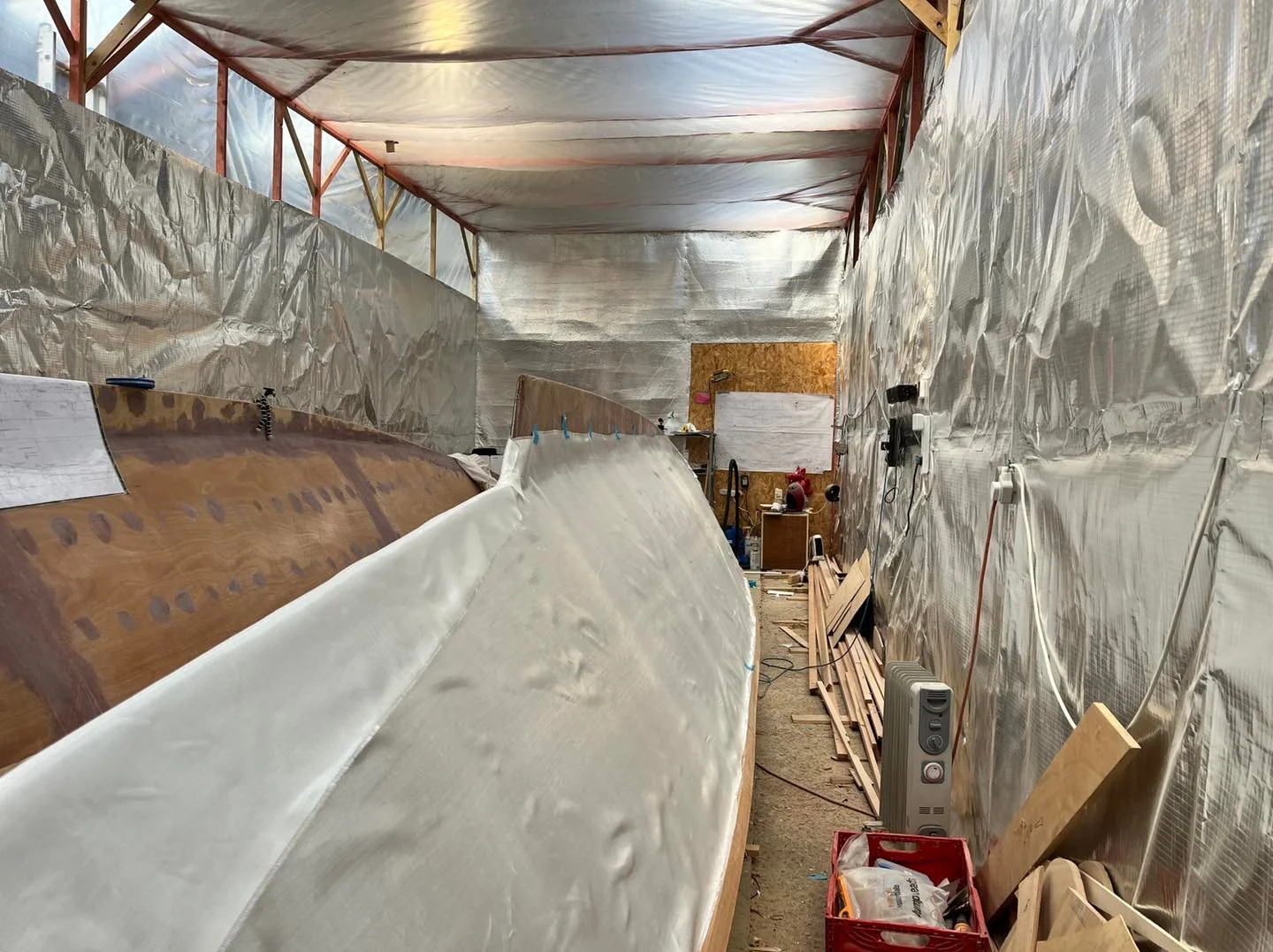
Ikaroa Laminating the Hulls Through the Night I spent the night draping glass fabric over the hulls, working around the heat so the epoxy would not cure on sight. Once the reinforcement and fairing are done, I can get back to our favourite pastime: sanding.
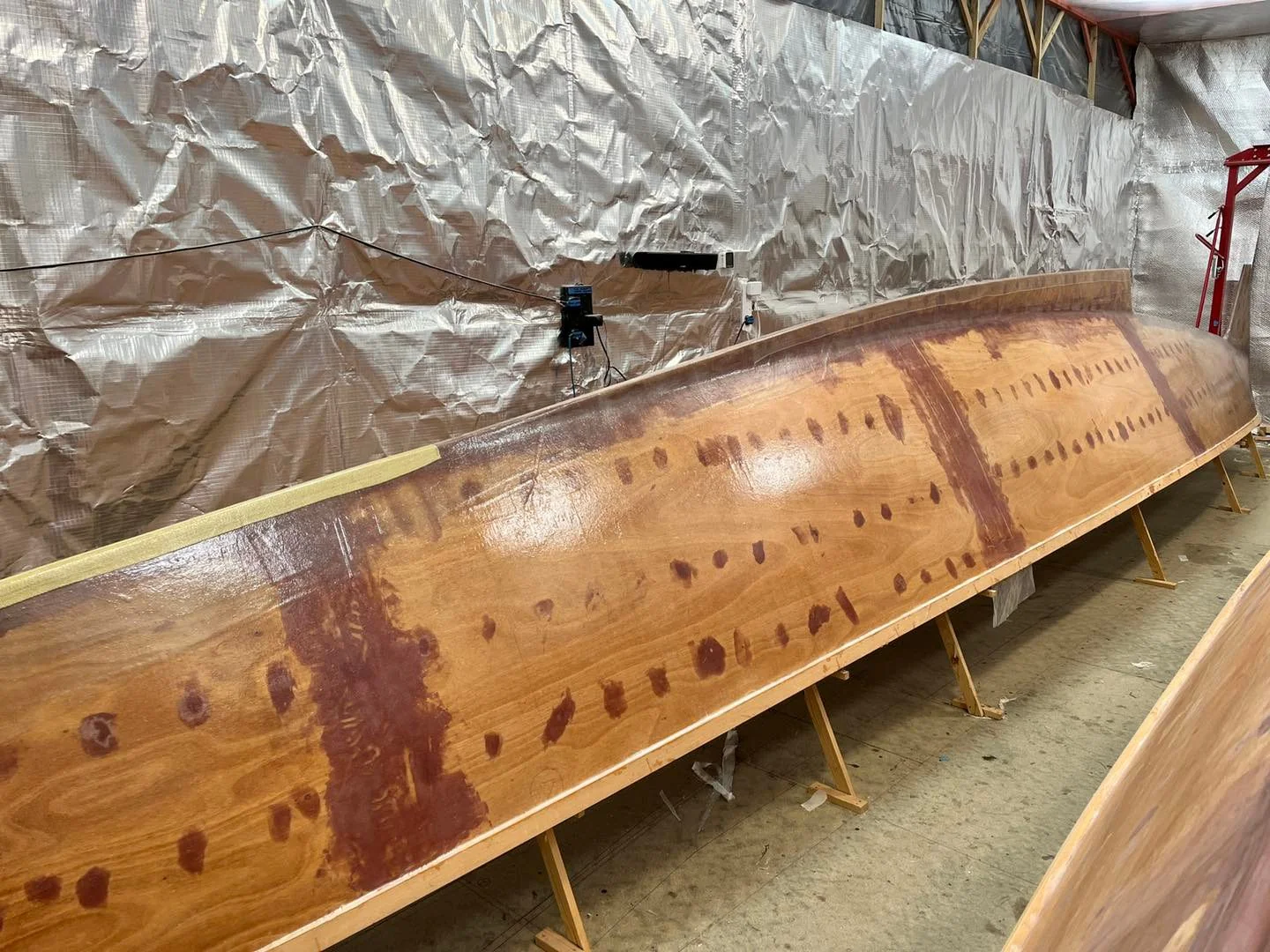
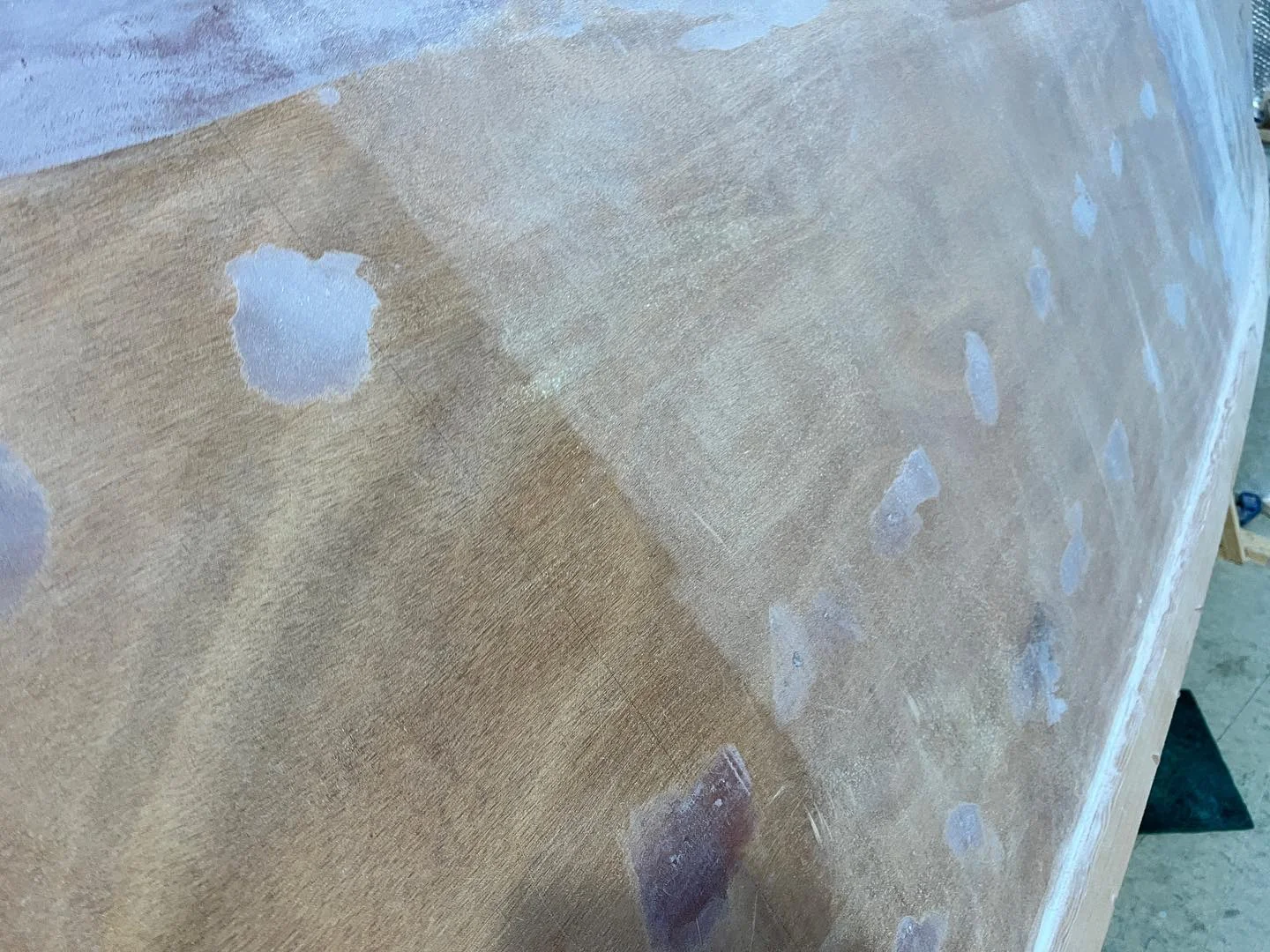
Ikaroa Sanding Both Hulls, One Square Inch at a Time I spent the day sanding both hulls, vacuuming every square inch and filling the scratches, uneven fillets and stubborn screw holes. Now I’m trying to keep the tent warm enough to sand everything again and wash the hulls by evening.
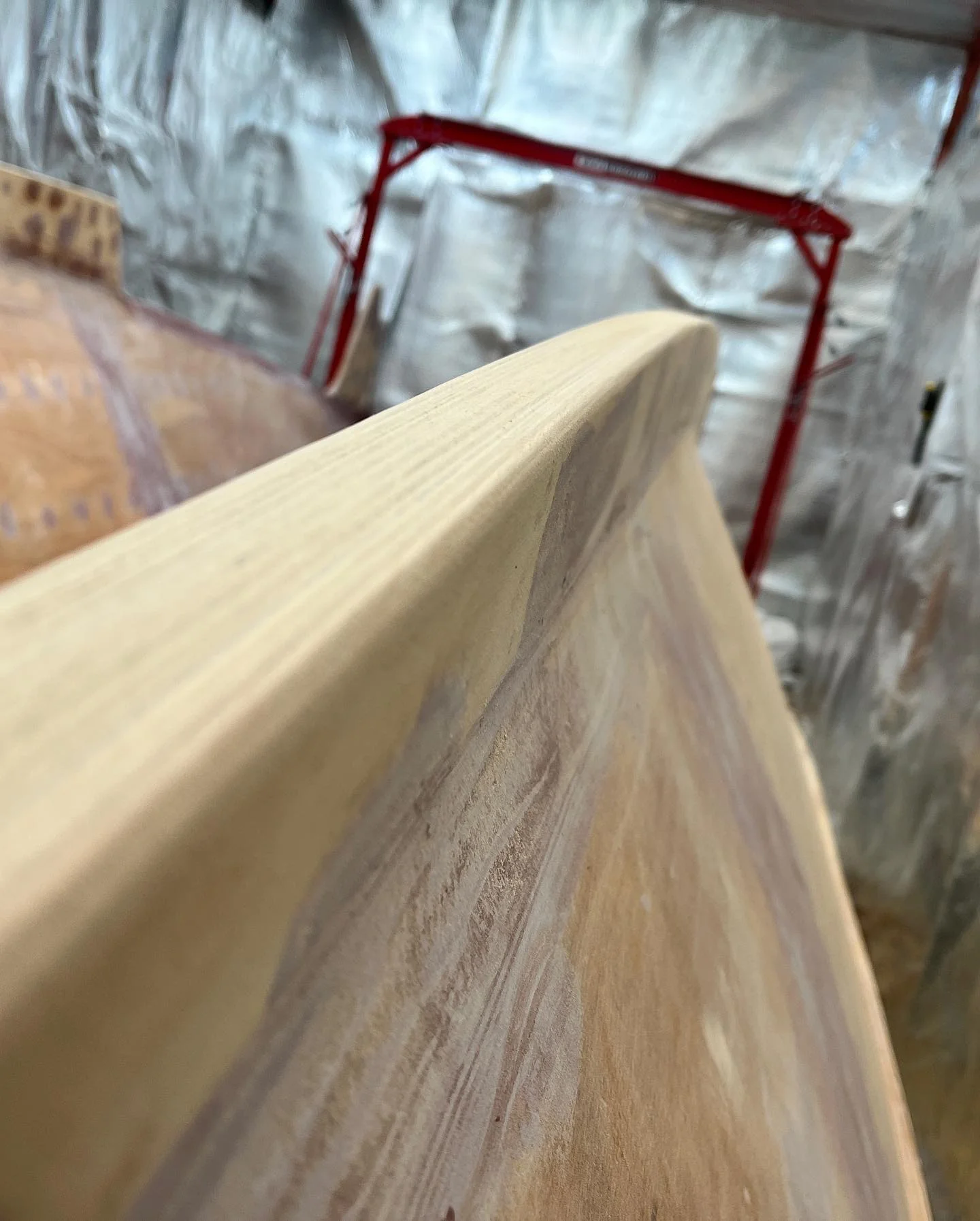
Ikaroa Rounding the Hulls Before Laminating I’m finishing the hulls, rounding edges and bows before giving the workshop a serious clean for laminating. We also helped put Krister’s BALDUR mast up by hand—a terrifying but successful five-person operation.